
Drainage design is one of the most important steps in any construction or land development project. Whether you’re building a home, a shopping center, or a public facility, managing water flow correctly can protect your investment and the environment. In areas like Texas, where weather can be unpredictable and heavy rains are common, smart drainage planning is more than a recommendation—it’s a necessity.
Here are 7 must-know tips for making sure your drainage design works effectively from day one.
Tip 1 – Start with a Site Survey and Topographic Data
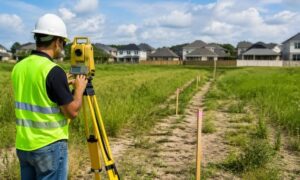
Before you can plan a drainage system, you need to understand how the land is shaped. A professional land survey shows the elevation, slopes, and low spots on your property. This is especially important in Texas, where some areas are flat while others have steep gradients.
Surveyors use tools like GPS, LiDAR, or total stations to create a topographic map. This map helps engineers decide where water will naturally flow and where it might collect.
Tip 2 – Understand Soil Types and Infiltration Rates
Soil type plays a major role in how fast water drains into the ground. For example:
- Sandy soil drains quickly.
- Clay soil holds water.
- Loam (a mix) is usually ideal.
Texas has a wide variety of soil conditions, so it’s important to test your soil before designing the drainage. Knowing your soil’s infiltration rate will guide your decisions about how deep to place pipes and how large your system needs to be.
Tip 3 – Plan for Stormwater Runoff Management
Stormwater runoff is the water that flows over land during heavy rains. If it’s not handled correctly, it can cause erosion, flooding, and even foundation damage.
To handle these risks effectively, engineers often implement well-designed stormwater management strategies—such as detention basins, retention ponds, and permeable surfaces—to control water volume and flow rates while protecting surrounding infrastructure.
Effective drainage design should consider:
- Flow rate (how fast water moves)
- Volume (how much water there is)
- Duration (how long it takes to drain)
Options like detention ponds, retention basins, and underground storage systems can help manage large amounts of runoff. In drainage design projects, local weather patterns and flood zones must also be considered.
Tip 4 – Follow Local Drainage and Development Regulations
Each city or county in Texas has its own rules for drainage and stormwater control. Some may require engineers to submit detailed hydrology reports, especially for larger developments.
Failing to follow local regulations can delay your permits and even lead to fines. Always consult with a licensed civil engineer or surveyor who understands the rules in your area.
Tip 5 – Integrate Natural Drainage Features Where Possible
Using the land’s natural features can make your drainage system more effective and affordable. Features like swales (shallow ditches) or bioswales (vegetated ditches) guide water away from buildings and toward safe outlets like creeks or ponds.
Not only are these features environmentally friendly, but they also reduce the need for expensive underground pipes.
Tip 6 – Choose the Right Drainage Systems
There are many types of drainage systems to choose from, depending on the size and shape of your property:
- Surface systems (gutters, swales, ditches)
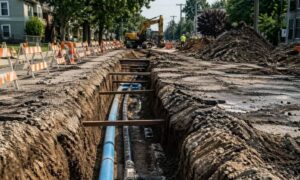
- Subsurface systems (French drains, perforated pipes)
- Combination systems (surface + underground)
Texas projects often use French drains in residential settings and underground pipe networks for commercial sites.
Tip 7 – Think Long-Term: Maintenance and Access
Your drainage system should be easy to maintain. Make sure clean-out points are included, and that pipes are accessible in case of a clog or repair need.
It’s also smart to schedule inspections, especially after big storms. A small blockage today can become a big problem tomorrow if water backs up or erodes your land.
Common Mistakes in Drainage Design (and How to Avoid Them)
Many drainage problems come from poor planning. Watch out for these mistakes:
- Ignoring future development: More buildings = more runoff.
- No access for maintenance: Pipes need to be cleaned.
- Underestimating water volume: Especially risky in flood-prone Texas areas.
Avoid these issues by planning early and working with experienced professionals.
How Drainage Design Affects Permits and Project Approval
In Texas, drainage design is closely linked to your ability to get permits. Municipalities require accurate drainage plans before approving construction.
Using tools like LiDAR, GIS, and soil testing, your team can create maps and models that meet all state and local requirements. This smooths out the permit process and avoids costly revisions.
Conclusion
Drainage design isn’t just about moving water—it’s about protecting homes, businesses, and entire communities from costly damage and long-term issues. Whether you’re tackling a residential build or a commercial development, these 7 tips provide a solid foundation for effective, sustainable results.
If your project is based in Texas, keep in mind that successful drainage design must account for the state’s unique challenges—like unpredictable weather, varied soil conditions, and strict permitting requirements. Working with experts who understand Texas-specific drainage regulations can make all the difference.
FAQs
1. What is drainage design and why is it important?
Drainage design is the planning of systems that control how water flows on a property. It helps prevent flooding, erosion, and structural damage.
2. Do I need a permit for drainage work in Texas?
Yes, most counties and cities in Texas require permits for drainage improvements or new construction.
3. How much does proper drainage design cost?
Costs vary based on project size and complexity. Expect to pay from a few hundred to several thousand dollars for surveys and plans.
4. Can I do my own drainage plan?
You can handle small issues like gutters or basic grading. However, full site drainage should be designed by a licensed engineer or surveyor.
5. What are common drainage mistakes in Texas?
The biggest mistakes include ignoring flood zones, failing to plan for large storms, and using the wrong type of system for the soil.
6. How does drainage design help with flood prevention?
By managing stormwater runoff and directing it safely away from buildings and roads, drainage systems reduce the risk of localized flooding.