When people buy land or start planning a project, the first thing they usually think about is hiring a land surveyor. It makes sense—it feels like the obvious place to start. But in San Antonio, doing a few quick checks first can save you a lot of time and stress. Say you find a lot that looks perfect. Everything seems fine at first. Then later, you realize part of it sits in a flood zone. Or there’s an easement running right through the spot where you planned to build. These things aren’t always visible when you’re standing on the property, but they’re there and they can affect what you can actually do with the land. That’s why it helps to slow down a bit and look into the details early on. It makes the whole land surveying process smoother and helps you avoid surprises that can delay your plans.
Floodplain Risks Can Change Everything
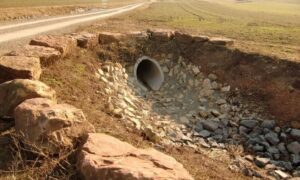
In San Antonio, flood risk is not something to ignore. The area has creeks, low crossings, and drainage paths that are not always easy to spot. Because of that, checking floodplain maps early can make a big difference.
At first glance, a property may look dry and safe. However, maps can show that part of it falls inside a flood zone. In some cases, only a small corner is affected. Even then, that small section can change how and where you build.
Because of this, surveyors often need to gather more detailed elevation data when flood risk is present. That can change how land surveying is done and may take more time. In the end, that extra work helps ensure you get accurate land survey results, especially in areas where flood risk is not obvious.
So before you move forward, it helps to understand what the maps are showing. When you know this early, you can plan better and avoid delays later.
Plats Show What Was Approved, Not What You See
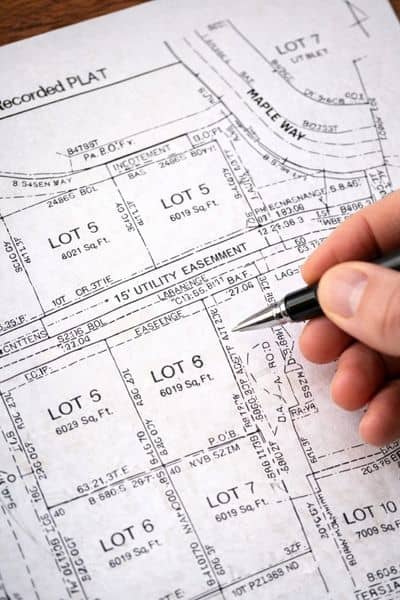
Next, take a look at the recorded plat. This document shows how the land was divided and approved. It also includes lot lines, easements, and access points.
Now here is where many people get caught off guard. What you see on the property does not always match what is recorded. For example, a fence may sit in one place, while the legal boundary sits somewhere else.
In addition, easements may run across the lot. These areas may look usable, but they often come with limits. You may not be able to build over them.
Because of that, land surveying must confirm what is on record and what exists on site. If there is a mismatch, the process can take longer. Sometimes, it even requires extra research.
So instead of finding these issues later, it helps to review the plat early. That way, you walk into the survey process with clear expectations.
Zoning Rules Can Quietly Block Your Plans
Zoning is another piece that many people overlook. Yet it plays a big role in what you can do with a property.
In San Antonio, zoning rules control how land can be used. They also set limits on height, setbacks, and building type. On top of that, some areas include overlay districts. These add extra rules that are not always obvious.
For example, you might plan to build a certain type of structure. However, the zoning may not allow it. Or you may need special approval before you move forward.
This matters because land surveying supports site planning. If zoning does not match your plan, the survey may need updates later. That leads to extra time and effort.
So it is better to understand zoning early. When everything lines up, the next steps become much easier.
Online Maps Can Be Misleading
Today, many people rely on online maps. They zoom in, check boundaries, and assume everything is accurate. While these tools are helpful, they are not exact.
In fact, most online property maps are only estimates. They are not legal documents. Lines may look clean and clear on the screen. However, they can be off by several feet in real life.
This creates a common problem. A property owner believes the boundary sits in one place. Then land surveying shows something different. That can lead to confusion or even disputes.
Because of this, it is important to treat online maps as a guide, not a final answer. A licensed surveyor provides the true boundary.
Still, checking these maps ahead of time can help you spot possible issues. When something looks off, you can ask questions early.
Small Issues Can Grow Into Bigger Delays
At first, these checks may seem minor. However, they can have a big impact on your project.
For example, unclear flood data can lead to extra fieldwork. Missing plat details can slow down research. Zoning conflicts can force design changes. Even map errors can cause misunderstandings.
When these issues show up late, they often delay the survey. They can also increase costs in ways people do not expect.
On the other hand, when you review these details early, everything flows better. Surveyors can plan the work correctly. You get clearer results. And your project stays on track.
That is why a little preparation goes a long way.
A Smarter Way to Approach Land Surveying
Land surveying is still a key step. It gives you the accurate data you need to move forward with confidence. However, it works best when it starts with the right information.
By checking floodplain status, plat records, zoning rules, and map accuracy first, you set a strong foundation. You reduce guesswork. You avoid surprises. And you make better decisions from the start.
In fact, taking time to review these details helps you start your project with accurate land data, which makes the entire process more predictable.
Moving Forward With Confidence
At the end of the day, most problems in land development do not come from the survey itself. Instead, they come from missing or misunderstood information.
That is why preparation matters so much. The area has unique conditions, and each property tells a different story.
When you understand that story early, land surveying becomes a tool that supports your plans, not something that slows them down.
So before you move forward, take a closer look at what is already known. That small step can make a big difference in how your project unfolds.