When a major freeway shuts down, most people expect delays. However, few people see how wide the impact can spread. Traffic does not stay near the closed road. Instead, it moves into city streets. Side roads fill up. Intersections clog. Driveways become hard to enter. Delivery trucks struggle to turn. This is when a traffic engineer steps in.
A freeway shutdown quickly changes how vehicles move across a city. Because of that, engineers must react fast. They study the new traffic paths and make short-term fixes to keep vehicles moving and properties reachable. This work happens in the background, yet it affects businesses, job sites, and new developments near detour routes.
Why City Streets Feel the Impact First
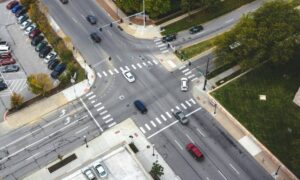
A freeway normally carries heavy traffic at steady speeds. Once it closes, those same vehicles must use other roads. As a result, nearby main roads and connector streets take the extra load right away. An intersection that once worked fine can become overloaded in a short time.
Turning traffic usually causes the first problems. Left-turn lanes fill past their limit. Then lines of cars block through lanes. Soon after, nearby signals cannot clear traffic in one green light.
Because of this, drivers often think signals are broken. In truth, the traffic pattern changed faster than the timing plan. A traffic engineer studies the new pattern and adjusts operations to match it.
What a Traffic Engineer Checks First During a Detour
When detours begin, a traffic engineer does not start with drawings. Instead, they watch how traffic actually moves. Where are drivers going now? Which intersections fill up first? Which turns create long lines?
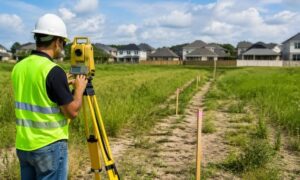
Field visits matter here. Engineers often go out and observe traffic in person. They look for blocked driveways, long turn lines, and truck turning trouble. For example, they may see cars blocking a business entrance every few minutes.
This early review guides the next steps. Without it, changes would rely on guesswork instead of real conditions.
Why Signal Timing Changes Come Before Road Changes
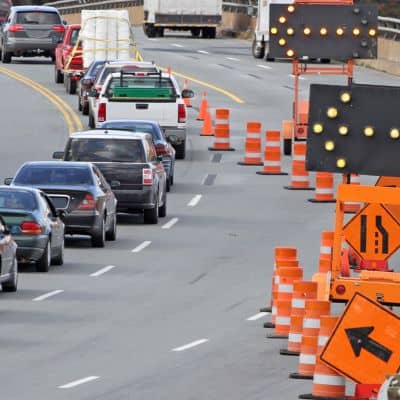
Some people think cities must rebuild roads during detours. In reality, that takes too long. Detours need faster action. So a traffic engineer usually adjusts signal timing first.
Signal timing controls how long each direction gets a green light. During a detour, engineers give more green time to the heavier traffic side. They may also lengthen the full signal cycle so longer lines can clear.
They also adjust how signals work together along the route. When signals stay in sync, traffic flows in groups instead of stopping at every light. While delays may still happen, traffic moves more smoothly.
These timing changes happen quickly and cost far less than construction work. That is why engineers use them first.
Small Field Changes That Help Traffic Move
Better timing helps, but sometimes more is needed. At that point, a traffic engineer looks at small field changes that reduce trouble spots.
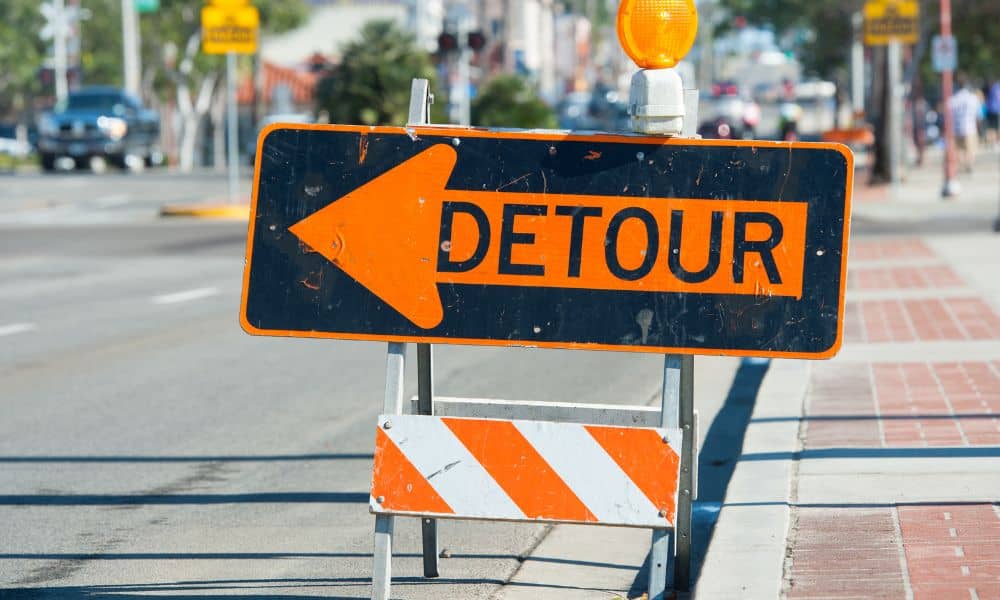
For example, a temporary turn limit can stop one movement from blocking all others. In other places, cones guide drivers into the correct lane earlier. That reduces sudden lane changes and hard braking. Early detour signs also help drivers choose lanes sooner.
These steps may look small. Still, they remove conflict between vehicles. When conflicts drop, flow improves. Because of that, small changes often bring big relief during shutdowns.
Why Detours Hurt Business and Construction Access
Detours do more than slow drivers. They also create access problems for businesses and work sites. Entrances that once worked well may fail under heavy traffic. Customers may skip locations they cannot enter easily. Delivery drivers may struggle to turn in.
Construction sites feel even more pressure. Trucks need safe entry and exit space. Deliveries must follow tight schedules. If detour traffic blocks those moves, projects slow down.
Because of this, a traffic engineer often reviews site access on its own. The engineer may suggest short-term access changes, delivery time shifts, or staging updates. These steps protect operations while the detour stays active.
How Engineers Track What Happens During the Shutdown
Traffic during a detour changes from day to day. So a traffic engineer gathers fresh field data. They do not rely only on old reports.
They measure how long queues grow. They check if intersections clear each green light. They track travel time along detour roads. They also watch for repeat blockage points.
This real-time information supports better decisions. Instead of guessing, the engineer responds to what drivers actually face.
When Property Owners Should Call a Traffic Engineer
Some closures create only small delays. Others create serious access risk. If a site opens during a freeway shutdown, problems can grow fast. The same is true for sites with heavy truck traffic or driveways near detour intersections.
In these cases, early help saves time and money. A traffic engineer can suggest quick fixes that protect access and reduce complaints. That step often costs less than fixing problems later.
Detours Are Temporary — But Planning Matters
Freeway shutdowns do not last forever. Still, their effects can disrupt projects and businesses if no one prepares. The good news is that traffic patterns follow clear rules, even during detours. A skilled traffic engineer understands those rules and applies fast fixes that keep vehicles moving and sites reachable.
Smart teams do not treat detours as chaos. Instead, they treat them as an operational problem with practical solutions. With early review and quick timing changes, cities and site owners can manage the disruption instead of just reacting to it.