When most people hear construction surveyors, they picture someone with a tripod and a laser level out in an empty field. While that image isn’t wrong, it doesn’t tell the full story. The truth is, being a construction surveyor takes more than equipment. It takes grit, focus, and a strong work ethic.
Still, many people — even those in construction — don’t really understand what surveyors do every day. They see a few hours of fieldwork and assume the job is easy. They don’t hear the conversations surveyors have online or in break rooms about long days, unpredictable weather, and pressure to get it right the first time. Yet, these realities matter, especially if you are hiring a construction surveyor for your next project.
In fast‑growing Texas cities like College Station, where new buildings and roads seem to pop up every week, the work of a construction surveyor is more crucial than ever. But that raises a simple question: Is it worth it to be a construction surveyor in Texas? And more importantly, what does that mean for you as a client?
What Being in the Field Really Feels Like
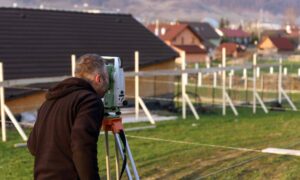
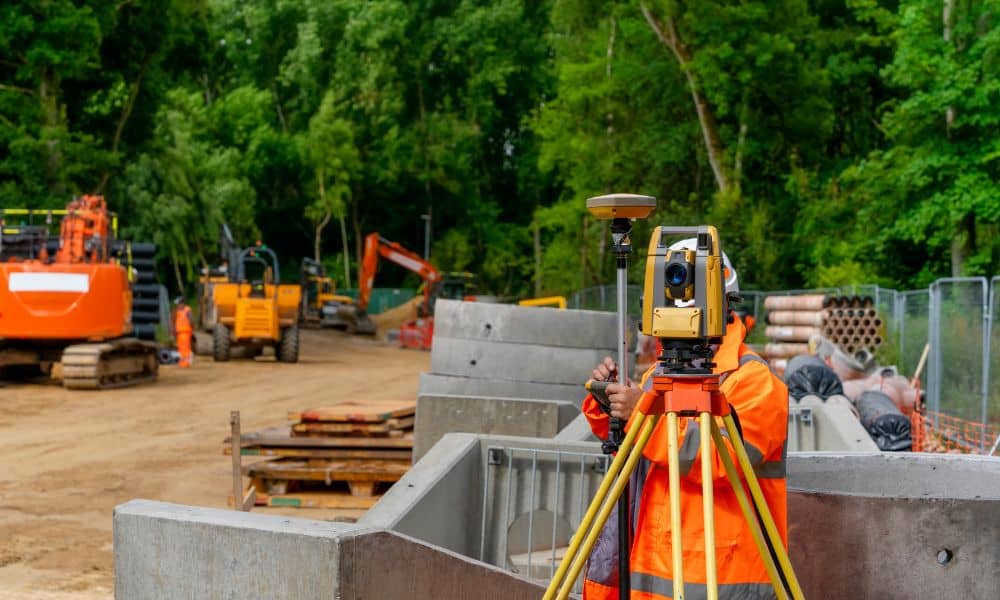
First, let’s talk about the day‑to‑day. A construction surveyor doesn’t spend all their time in an office. Often, they’re out on job sites before the sun rises and long after it sets. Texas days can start cool, but by noon the heat can feel intense. In summer, that sun beats down for hours. When it’s windy or raining, that doesn’t stop the work either.
For someone who loves the outdoors, this can be part of the appeal. But the hours are long. Surveyors must measure land precisely, mark property lines, and check elevations that guide builders on where to pour concrete or place beams. Every mistake — even a small one — can cost time and money on a project. So, surveyors stay focused, often while feeling tired or uncomfortable.
Surveyors also face pressure from the construction team. General contractors want drawings and layout completed quickly so they can start building. Yet, the survey must be accurate. If it’s rushed, mistakes happen. A construction surveyor walks a tight line between speed and precision every day.
Why Surveyors Sometimes Get Burned Out
You might see surveyors talk about burnout on social forums or hear about it from people in the field. Burnout happens when someone feels worn out or stressed because of work. In surveying, a few common causes are:
- Long days in tough weather.
- Pressure to meet tight schedules.
- High responsibility, because mistakes affect the whole project.
- Travel between multiple job sites in a day.
Many surveyors love the technical side of the job — working with instruments, drones, mapping software, and GPS technology. But even the tech can add stress. Learning new tools helps accuracy, but it also means surveyors must constantly stay sharp and up‑to‑date.
This doesn’t mean the profession is broken. It simply means the job is demanding. And that’s good for you as a client because it shows how seriously good surveyors take their work.
Growth in Texas Means More Demand — and More Pressure
Texas is growing fast. Cities like College Station, Houston, Austin, and Dallas keep expanding. New houses, new businesses, and new roads go up all the time. With that growth comes more work for construction surveyors.
More work might sound great. But with increased demand, surveyors can face heavy workloads and tight deadlines. When there are not enough qualified surveyors, crews can get stretched thin. New hires might work alongside experienced surveyors, but that means the whole team must train and support each other while keeping up with job demands.
For clients, this means you want a construction surveyor who can handle heavy workloads without sacrificing quality. You want someone grounded, reliable, and equipped to deal with a fast pace.
Where Technology Makes a Big Difference
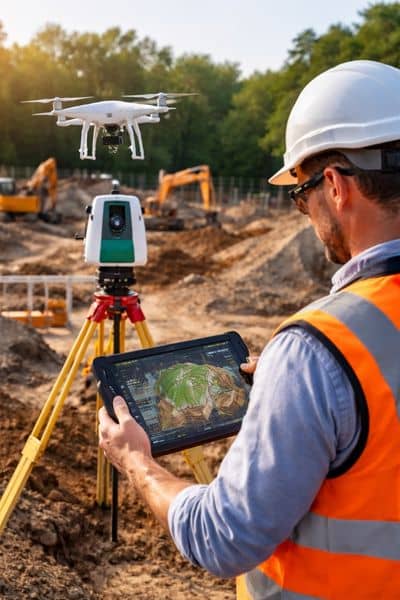
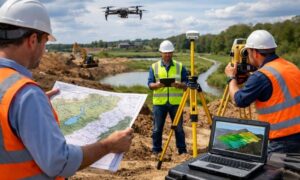
One area that helps reduce stress and improve results is technology. Modern survey tools — like drones, LiDAR scanners, and real‑time GPS systems — make surveying faster and more accurate. These tools help surveyors cover large areas quickly, avoid guesswork, and spot potential issues early.
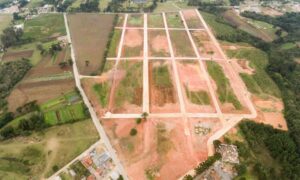
For example, drone land surveying allows a surveyor to gather aerial data over a large construction site in minutes, rather than hours on foot. LiDAR mapping captures highly detailed elevation and surface information that is more precise than older methods. When used well, these technologies reduce field time and improve accuracy.
So, while the job can still be physically demanding, technology helps clear away some of the obstacles that once slowed surveyors down.
What This Means for Your Project
Now you might be asking: Why should I care if surveyors feel burned out or under pressure? The answer is simple: a well‑supported, experienced construction surveyor delivers better results for your project.
Here’s how:
- Fewer mistakes on site means fewer costly reworks.
- Faster survey turnaround helps keep your project on schedule.
- More accurate data makes engineering and building safer and smoother.
- Better communication reduces surprises during construction.
Ultimately, having someone you can rely on locally makes all the difference. When you work with a licensed construction surveyor near me, they understand the area, the local conditions, and the pace of projects in College Station — which means your layouts are accurate, and your project stays on track without unnecessary delays.
So, Is It Worth It to Be a Construction Surveyor?
For many surveyors, the answer is yes — but it’s a choice they make with their eyes open. They know the job is demanding, and they accept it because they enjoy building things, solving real‑world problems, and seeing construction rise from raw land.
For clients, understanding these realities helps in choosing the right partner for a project. You don’t just want someone showing up with instruments — you want a construction surveyor who brings experience, knows the field, and provides dependable construction surveying services that keep everything on track.
The real value of a good surveyor isn’t just the field measurements. It’s the peace of mind they give your project team — knowing the layout is correct, excavation starts on time, and your plans are built on solid groundwork. When your surveyor has the right tools and uses proven methods, the whole construction process flows more smoothly.
Final Thought
Construction surveying isn’t a walk in the park. It’s challenging, it’s sometimes exhausting, and it’s always important. But for the professionals who choose it, and for the clients who rely on their work, it remains one of the most essential parts of building anything that lasts.
If you’re preparing a construction project and want a survey partner who blends experience, technology, and reliability, be sure to choose a construction surveyor who understands both the technical and human sides of the job.