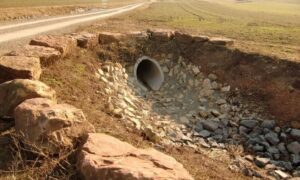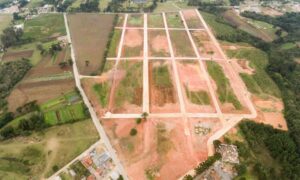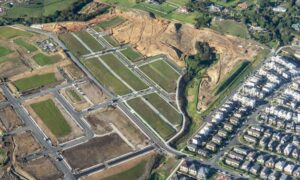

When you’re planning a new home or development, one of the biggest things to think about is how water moves on your land. Heavy rain and runoff can create flooding or erosion, slow down permits, and even lead to fines if your plans don’t follow local rules. That’s why working with civil engineering firms can make a real difference. With their engineering expertise, they know how to look at the land, figure out where water will flow, and plan solutions that keep your project safe and in line with the rules.
Why Stormwater Modeling is Important
Stormwater modeling is not just a form to fill out for permits. It shows how water will move on your land during storms. Without proper modeling, water can flood, erode soil, or damage nearby properties. In Frisco, where cities are growing fast and rain can be heavy, permits require detailed reports on water movement.
Civil engineering firms help developers avoid mistakes that cost money and time. They use tools to calculate water flow, design drainage systems, and make sure plans follow city rules. Starting with the experts early reduces risk and keeps projects on track.
Step 1: Collecting Accurate Site Data
The first step is getting a clear picture of the site and how water moves across it. Civil engineering firms often start by looking at the land through topographic data collection, which shows the slopes, shapes, and natural drainage patterns. They also check the soil and any nearby streams or waterways to understand where water might gather or flow.
Many teams also use drones or LiDAR to create detailed maps, especially in areas that are uneven or hard to see. Having this information makes it much easier for engineers to predict where water will go during heavy rain and plan drainage systems that actually work.
Step 2: Choosing the Right Modeling Method
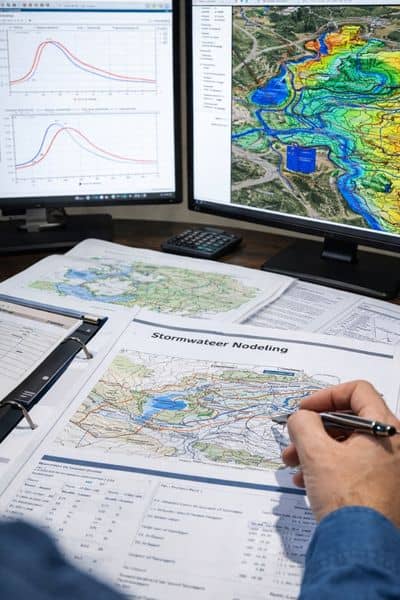
After collecting data, civil engineering firms do hydrologic and hydraulic modeling. This step finds out how much water will run off the site and how fast it will flow.
There are different software options, like HEC-HMS, TR-55, or InfoSWMM. Each works better for different types of projects. Small residential projects need simpler calculations. Large commercial sites need more detailed analysis. Experienced civil engineering firms know which tool fits each project and how to read the results for local permits.
Step 3: Designing Stormwater Controls
Once modeling is done, engineers design ways to handle water safely. This includes detention ponds, retention basins, swales, and permeable pavement.
The goal is simple: slow water down, lower flood risk, and follow Frisco rules. Civil engineering firms balance safety with cost and space.
For example, a small neighborhood might use swales and permeable driveways. A shopping center may need detention ponds or underground storage. Proper design protects your site, neighbors, and city systems.
Step 4: Preparing a Permit-Ready Stormwater Report
Modeling and design are not enough. Civil engineering firms make detailed reports for city planners and permit offices.
These reports usually include:
- Maps of the site showing land contours and drainage paths
- Calculations of water flow and runoff
- Drawings of ponds, swales, and other controls
- Clear notes explaining how the design meets city rules
Submitting complete and clear reports helps get permits faster. Mistakes or missing details can cause delays and extra costs. Civil engineering firms know how to make reports that pass review the first time.
Step 5: Planning for Post-Construction Compliance
Stormwater work does not end after construction. Civil engineering firms help plan long-term maintenance. Detention ponds and drainage channels need to be checked regularly. Over time, new buildings or changes nearby can change water flow.
Firms can make maintenance schedules, track runoff, and adjust designs as needed. This keeps your property safe and follows city rules.
Benefits of Using Civil Engineering Firms
Even with the right tools, stormwater modeling is tricky. Civil engineering firms bring experience, skill, and knowledge that developers rely on. They help:
- Reduce the risk of delays or permit problems
- Avoid expensive mistakes or flooding
- Follow Frisco and North Texas rules
- Make project approval easier and faster
With professional help, projects stay on schedule, budgets stay in control, and water risks are managed safely.
Conclusion
Stormwater modeling is very important for building in Frisco and North Texas. Good site data, careful water flow analysis, well-designed controls, and complete permit-ready reports are all needed. Civil engineering firms guide projects from start to finish, making sure plans meet rules, protect land, and handle future growth.
When done right, stormwater modeling protects developments and communities from heavy rains and flooding. By working with skilled civil engineering firms, developers can make sure their projects are safe, efficient, and successful.