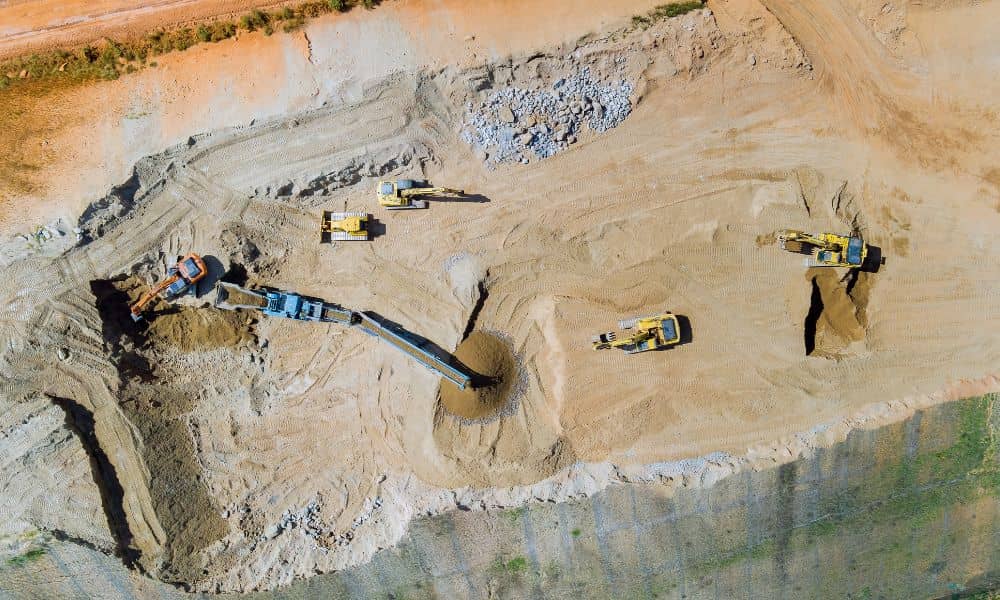
When people hear about a 2,000-home development in Texas, they picture new streets, model homes, and fast growth. However, none of that starts first. Long before builders move dirt, a civil engineering firm studies the land and tests the plan behind the scenes. That early work decides if a project moves forward smoothly or runs into delays and cost problems.
Across North Texas, large master-planned communities keep making news because growth continues to spread outward. Still, size alone does not make a project successful. Instead, early engineering review protects the timeline, the design, and the investment.
Growth Starts With Questions, Not Drawings

At the start, developers often bring a concept: how many homes they want, how dense the site should be, and a rough layout idea. However, a civil engineering firm does not begin by cleaning up that layout. Instead, engineers first ask if the land can support the vision at all.
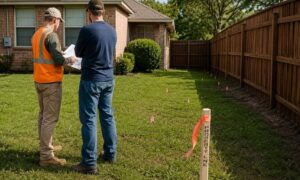
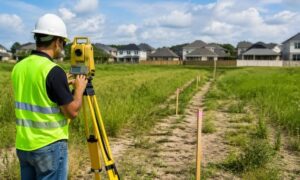
They gather survey data, elevation maps, and site records. Then they study how the property behaves in its natural state. This step matters because land that looks simple from the road often hides slope or drainage problems. As a result, early home-count guesses may change fast.
Therefore, the first review focuses on what is real, not what is preferred. That shift saves time and redesign later.
The Land Tells the First True Story
Every large Texas project must answer a basic question: where does the water go today? A civil engineering firm tracks that flow before anyone places lot lines.
Engineers review slopes, low spots, and natural channels. They also check floodplain maps and drainage paths. Sometimes a flood zone cuts across the middle of a property. When that happens, buildable space drops right away. Because of that, the project size may need to shrink or shift.
At the same time, engineers take a first look at soil behavior. Many Texas sites include clay soils that swell and shrink. That does not stop development, but it changes how foundations and grading should work. So engineers flag that risk early so the rest of the team can plan better.
Utilities Often Decide the Real Project Size
Many clients feel surprised when they hear this: utility capacity often controls project size more than land area does. For that reason, a civil engineering firm checks water and sewer systems very early.
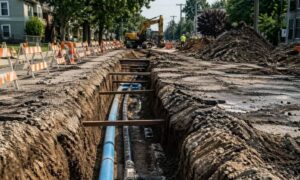
Engineers study where the nearest lines sit, how large they are, and how much flow they can handle. Then they compare that capacity with the needs of 2,000 homes. If the numbers do not match, upgrades or long extensions enter the plan.
Sometimes the closest sewer line sits far from the site. In that case, off-site work becomes part of the cost. Meanwhile, water pressure zones may limit how many homes can sit on higher ground. So instead of forcing the layout later, engineers adjust the plan early.
That approach keeps the project based on facts, not guesses.
Stormwater Design Shapes the Layout Early
Next, stormwater planning starts to shape the future map. A civil engineering firm knows that runoff increases after development. Roofs and pavement push more water off the land, so control systems must handle that change.
Engineers study where detention ponds or storage systems could fit and where water can safely exit. However, those spots do not always match the first concept sketch. As a result, pond space and drainage paths often reshape the layout.
In fast-growing Texas areas, reviewers watch downstream impact closely. Therefore, early stormwater planning reduces permit trouble later. It also protects nearby properties, which helps the future community.
Access and Traffic Enter the Talk Sooner Than Expected
Most people think traffic studies happen near the end. In reality, a civil engineering firm raises access questions much earlier. A 2,000-home neighborhood creates heavy daily traffic, so entrances must work safely.
Engineers review nearby road types, speeds, and traffic counts. They also check spacing rules for driveways and intersections. Some projects need turn lanes or signal reviews before approval.
Fire and emergency access rules also affect the street layout. Because of that, entrance locations influence the whole plan inside the site. Early access review prevents late design changes that waste time.
Local Rules Quietly Guide What Is Possible
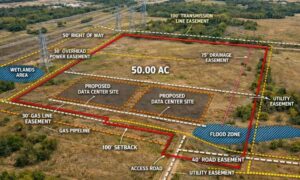
While land features shape the physical plan, local rules shape the legal plan. A civil engineering firm studies zoning and development standards along with site data. Density limits, setbacks, and buffer zones all affect how many homes can fit.
For example, a required buffer along a road or creek can remove large strips from use. Likewise, setback rules can shorten a lot of depth. When engineers account for these limits early, they avoid overestimating the final home count.
Strong teams treat these rules as guides, not roadblocks. When the design fits the rules from the start, approvals move faster.
Phasing Strategy Protects Time and Budget
No builder delivers 2,000 homes at once. Construction moves in phases, and each phase must function properly on its own. Because of that, civil engineering firms review the phasing approach early, before the layout becomes final.
They study how utility lines will grow with each stage and how road connections will link future sections of the community. Just as important, they make sure stormwater control works safely from day one — not only after the last phase gets built.
Strong phasing reduces upfront spending and helps projects release lots sooner. In contrast, weak phasing often leads to short-term workarounds that teams must redo later. Early planning at this stage keeps the project cleaner, safer, and easier to build.
Early Engineering Review Reduces Costly Surprises
All this early work aims at one main goal: fewer surprises. A civil engineering firm brings risks forward so developers can act while the plan still feels flexible.
Engineers point out likely off-site upgrades, major drainage needs, and long utility runs before design goes too far. That early insight supports better budgets and stronger planning.
Texas will keep seeing large housing projects as cities grow. However, successful projects share one habit. They start with deep early reviews, not fast drawing.
When a civil engineering firm joins at the beginning, the project stands on tested ground instead of hopeful ideas. That difference may stay invisible to buyers — but it shows clearly in results.