A due diligence survey just became a much hotter topic in Grand Prairie. Thanks to a new Texas law, called Senate Bill 840 (SB 840), property owners and developers in the city are rethinking how they check a piece of land before moving ahead. In simple terms: when you’re buying or redeveloping land, especially for apartments, you now have to make sure the facts on the ground are correct—and fast.
1. What’s Changing in Grand Prairie
In Grand Prairie and other large Texas cities, SB 840 allows developers to build multifamily housing—apartments or mixed-use projects with mostly housing—on land zoned for commercial, industrial, or retail uses without the usual public hearings or zoning changes.
This means parcels once seen only for offices or warehouses are now fast-tracked for apartments. And that creates both opportunity and risk.
2. Why the Risk Is Higher Now
When a developer moves quickly, mistakes can slip in. For example:
- An old easement might cross the property but no one spotted it.
- A floodplain issue might exist, or a required setback may have changed.
- Utility lines or underground infrastructure may not show in older maps.
Because SB 840 speeds up approvals, fewer regulatory “checkpoints” exist. That means the responsibility falls on the owner or developer to catch problems before they become expensive.
3. What a Due Diligence Survey Actually Does
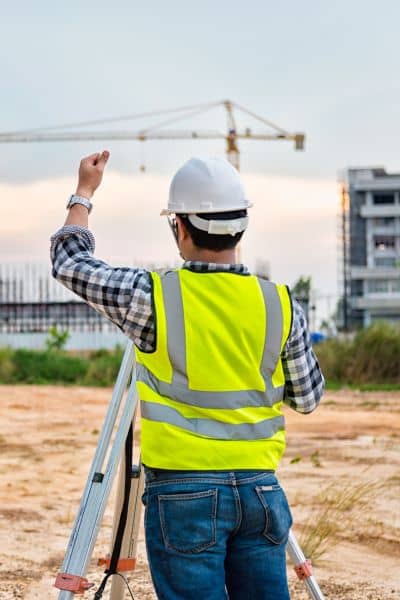
Think of a due diligence survey as your early warning system. It’s more than just mapping boundaries. It helps uncover what’s hidden below the surface and behind the paperwork.
A proper due diligence survey:
- Verifies boundary lines and confirms the legal description of the land.
- Checks for recorded easements, rights-of-way, and utility corridors.
- Identifies topography and floodplain issues.
- Reviews site features that might affect design, such as trees, slopes, or setback restrictions.
All this information helps a developer make informed choices before big money gets committed.
4. How This Ties Into the By-Right Apartment Boom
With SB 840 in effect, developers are looking at commercial properties that may have been idle or underused. They’re asking, “Can we convert this into apartments?” Because they have fewer obstacles, they might push forward fast.
That means the demand for due diligence surveys goes up: here’s why.
- Investors need assurance that the site is clear of legal and physical problems.
- Lenders want confidence that the property poses minimal risk.
- Engineers need accurate data before designing infrastructure.
- Title companies want to ensure there are no hidden encumbrances.
When you remove old barriers, you increase the need to do your homework early.
5. What Stakeholders Should Focus On
For property owners, developers, lenders, and even community members, certain issues stand out:
- Parcel zoning and eligibility: Just because a lot is commercial doesn’t mean it qualifies; each site still needs to meet the law’s criteria.
- Setbacks and utilities: Even with by-right status, design standards like setbacks, utility access, and drainage still matter.
- Floodplain and grading challenges: Grand Prairie has areas that may face stormwater or flood concerns. If you don’t catch them, your project could stall or costs could rise.
- Title and easement history: Old use rights or forgotten access easements may affect your buildable area.
- Team coordination: Surveyors, engineers, title firms, and lenders should communicate early. The due diligence survey becomes the key reference for everyone.
6. How to Get the Most From a Due Diligence Survey
To make the most of your survey investment:
- Choose a licensed land surveyor who understands local terrain, zoning, and flood conditions.
- Share any existing plats, title work, or engineering data you have.
- Request a summary of key findings—major easements, setbacks, or conflicts.
- Confirm the turnaround time so it aligns with your project schedule.
- Use the results to guide your title review, design work, and permitting strategy.
7. Looking Ahead: Why Acting Now Matters
Because SB 840 is already active in Grand Prairie, properties that developers once overlooked are now back in play. If you’re involved in land acquisition or redevelopment, delaying your due diligence survey could cost both time and money.
As more parcels get snapped up, competition will grow. Those with clean, verified survey data will move faster, close sooner, and face fewer surprises.
8. Conclusion: Turning Regulation Shifts Into Opportunity
The world of land development is changing quickly. The rules for building apartments on commercial land have shifted, and with that shift comes a greater need for early, accurate site knowledge.
A due diligence survey isn’t optional anymore — it’s essential. Whether you’re buying land, preparing for construction, or planning to invest, this step helps you move forward with confidence. The sooner you know your site, the better your results will be.