When a bridge collapses or part of a building falls, the video spreads within minutes. People repost it. News anchors replay it. Social media is filled with opinions. Most reactions focus on fear or blame. However, a structural engineer looks at the situation very differently.
Instead of asking, “Who messed up?” the first thought is, “What failed first?” Structures rarely collapse without a story leading up to that moment. In fact, most failures build slowly over time. Small weaknesses grow. Stress increases. Eventually, one part can no longer hold on.
So when viral failures hit the news, what does a structural engineer actually study?
Looking Beyond the Drama to the Structure Itself
To the public, a collapse looks sudden. Yet from an engineering point of view, the event is usually the final step in a longer chain.
A structural engineer immediately considers how forces moved through the structure. Every building and bridge depends on a clear path that carries weight safely down to the ground. If one part weakens, the rest of the system must adjust. Sometimes it can. Sometimes it cannot.
When there is no backup support, failure spreads. That spread is what engineers call progressive collapse. One beam gives way, which overloads another. Then another. Within seconds, a large section may fall.
Therefore, the real question becomes: did one isolated piece fail, or did the entire system lack redundancy?
That distinction matters more than the viral clip.
Why Connection Points Often Tell the Real Story
While most viewers notice large beams or cracked concrete, a structural engineer focuses on something less obvious — the joints.
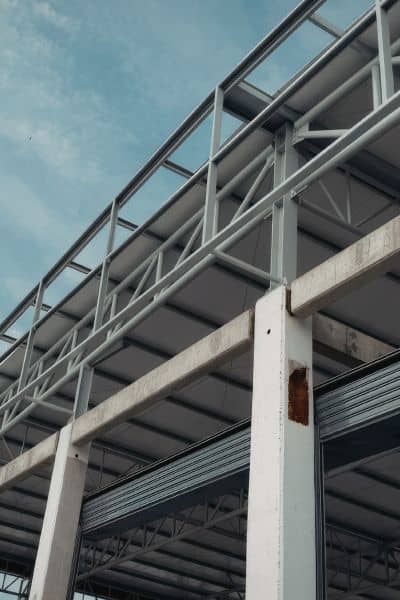
Connections hold structures together. Bolts, welds, anchor plates, and brackets transfer force from one element to another. If a connection weakens, even the strongest beam cannot perform.
Over time, moisture can cause rust. Temperature changes can stress welds. Repeated loading can loosen bolts. These small changes often go unnoticed until a major event exposes them.
Because of this, a structural engineer studies how elements meet. In many investigations, the failure begins not in the center of a beam but at its connection.
That detail rarely makes headlines, yet it often explains everything.
When Buildings Carry More Than They Were Designed For
Another issue engineers consider involves changes made long after construction.
Buildings evolve. A warehouse might become an event space. A flat roof might gain heavy mechanical units. Solar panels may be installed years later. Occupancy levels may increase beyond original expectations.
Although the structure once met design standards, added weight can quietly shift the balance. Steel and concrete do not automatically adjust to new demands.
So when a collapse goes viral, a structural engineer asks a simple but important question: was the building ever checked after those changes were made?
In many cases, no one goes back to review the numbers. The structure performs well for years, and everything seems fine. However, without a proper structural capacity evaluation, no one truly knows whether the building still has enough strength to handle the added loads. Eventually, demand creeps past what the structure can safely support.
And when that happens, the failure may look sudden — even though the warning signs were there all along.
The Warning Signs That Often Appear Long Before Failure
Contrary to what dramatic footage suggests, most structures show signs of stress before failing.
Beams may sag slightly more than expected. Concrete may crack near high-stress areas. Rust may stain the surface near reinforcement. Floors may vibrate differently under heavy foot traffic.
Individually, these issues may seem minor. However, together they tell a story of strain.
A trained structural engineer recognizes patterns. While the average person sees cosmetic flaws, the engineer sees force distribution changes. Small deflections can signal larger problems hiding within the system.
That is why evaluation matters long before a viral moment happens.
Separating Design Errors From Construction or Maintenance Issues
When people see failure, they often blame the original design. Yet that assumption oversimplifies the situation.
A structural engineer separates three possibilities. First, the design may have underestimated real-world demands. Second, builders may have altered materials or details during construction. Third, maintenance may have been ignored for years.
For example, water intrusion can slowly weaken steel reinforcement. Deferred repairs can allow corrosion to spread. Meanwhile, field modifications without proper review can shift loads unexpectedly.
Each scenario requires a different response. Therefore, engineers examine drawings, construction records, and inspection history before reaching conclusions.
Quick blame may trend online, but careful analysis protects future projects.
How Changing Conditions Add New Stress
Even well-designed structures face new challenges over time. Wind patterns shift. Rainfall increases. Surrounding development changes drainage flow. Heat cycles expand and contract materials repeatedly.
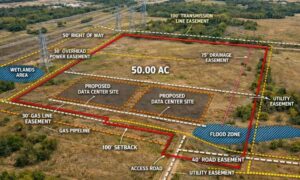
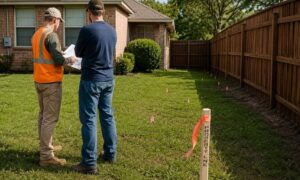
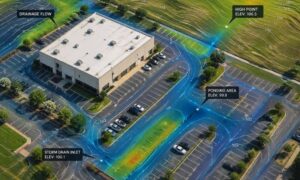
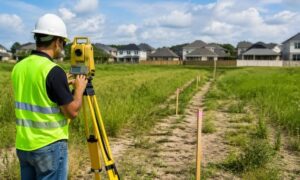
What many people don’t realize is that small changes in the land itself can also affect a structure. When nearby properties are built up or degraded, water may move differently across the site. Over time, that can influence how the soil supports foundations. Engineers often look at updated, accurate site elevation data to understand how subtle shifts in slope or drainage might be adding stress that was never part of the original design.
A bridge designed decades ago may now face heavier traffic than engineers originally expected. A parking structure may experience more dynamic loading than anticipated. At the same time, the ground beneath them may not behave the way it once did.
Because of this, a structural engineer compares past assumptions with present realities. Designs that once met standards may require reassessment under modern conditions.
What This Means for Property Owners and Developers
Although viral failures feel distant, the lessons apply to everyday buildings.
If you plan to change how a space is used, add heavy equipment, or expand a structure, you should consult a structural engineer before moving forward. Even if a building looks fine, unseen stress may already exist.
Likewise, if you own an aging commercial property, proactive evaluation can identify vulnerabilities early. Prevention costs far less than emergency reconstruction. More importantly, prevention protects people.
Structural review is not about fear. It is about foresight.
Viral Headlines Fade, Structural Lessons Remain
Bridge and building failures capture attention because they are dramatic. However, they rarely happen without warning. Most begin with small shifts, minor corrosion, or unnoticed overload.
A structural engineer reads those early signals. Instead of focusing on collapse alone, the engineer studies how forces moved, where connections weakened, and whether changes pushed the system too far.
In the end, structures fail quietly before they fail loudly.
So the next time a collapse fills your screen, remember this: behind the viral clip lies a technical story of load paths, connections, and time. And a structural engineer knows how to interpret every part of it.