Fort Worth keeps growing. New stores, new offices, new neighborhoods show up every year. That sounds like progress, and it is. But behind every new project, there’s one thing that often gets ignored at the start: how people will actually get in and out.
That’s where transportation engineering comes in. And when it comes in too late, problems show up fast.
Many developers don’t think about traffic flow until plans are already done. By then, changes cost time and money. In some cases, they stop the project from moving forward at all.
What Happens When Traffic Planning Comes Too Late
A developer might design a great-looking site. The building fits. The parking works. Everything seems ready.
Then the city reviews the plan.
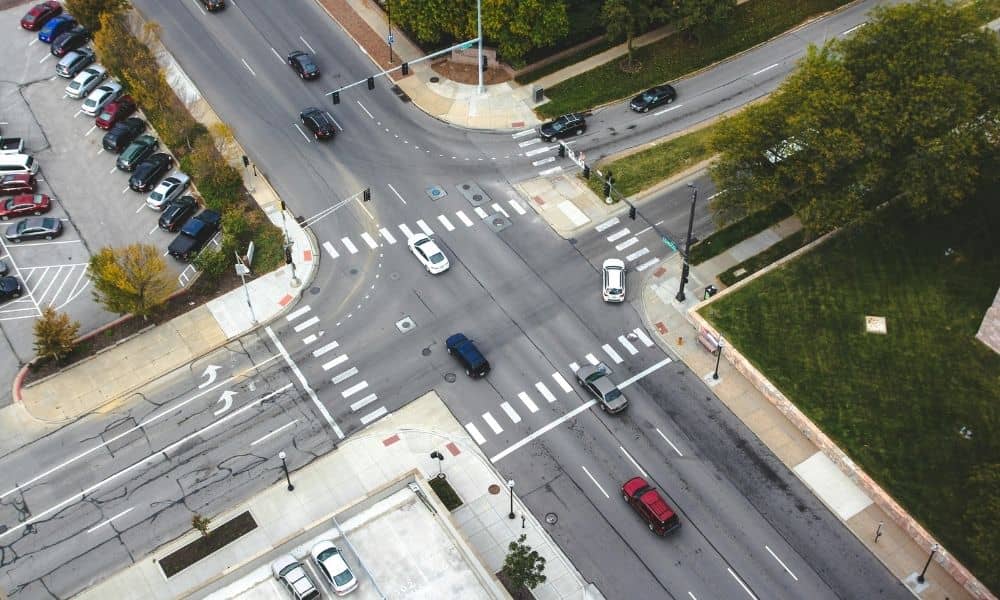
Suddenly, the driveway sits too close to an intersection. Or the entrance doesn’t allow safe turns. Or traffic backs up into the street during busy hours.
Now the whole layout needs to change.
This happens more than people think. A simple driveway shift can affect parking, building placement, and even drainage design. One change turns into five.
That’s the cost of waiting.
Why Early Transportation Engineering Planning Matters
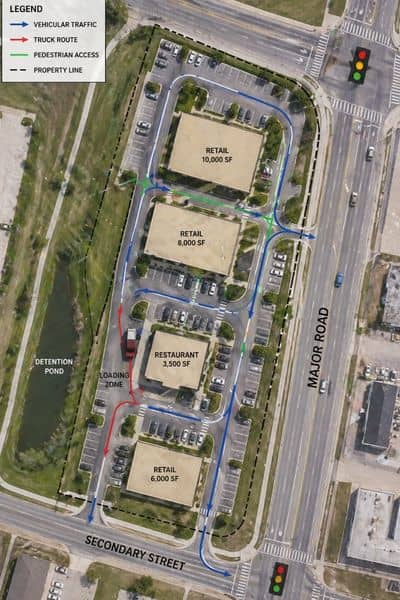
When transportation engineering starts early, it shapes the site from the beginning.
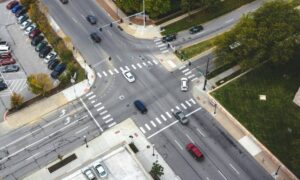
Instead of fixing problems later, the design avoids them. Engineers look at how many cars will use the site. They study nearby roads and watch how drivers turn, stop, and move through the area. From there, they help decide where entrances should go and how traffic should flow inside the property.
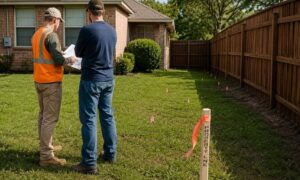
This affects more than just the road. It helps decide where buildings sit and how parking lots are arranged. At the same time, land surveying for site planning helps confirm property lines and gives the layout a clear place to start.
As a result, traffic keeps moving instead of stacking up, and the design stays practical from the start.
Why Fort Worth Projects Face More Traffic Pressure Today
Fort Worth isn’t a slow-growth city. Roads that worked five years ago don’t always work today.
Busy corridors fill up fast. New developments add pressure to streets that already handle a lot of traffic. Even smaller projects can cause issues if they sit in the wrong spot.
That means the city looks closely at site access and traffic flow.
Developers can’t assume their plan will pass without changes. They need to show that cars can enter, exit, and move through the site safely.
When that doesn’t happen early, delays follow.
Common Development Problems Linked to Traffic Planning
These issues show up again and again:
- Driveways get denied or limited
- Turns into the site don’t work during peak hours
- Traffic backs up into main roads
- Delivery trucks can’t move through the site cleanly
- Cars cross paths in ways that create risk
None of these problems sound big at first. But each one can force a redesign.
And redesigns slow everything down.
How Early Transportation Engineering Prevents Project Delays
Early planning keeps things simple.
The engineer checks access points before they get locked into the plan. They look at how cars will move through the site and how traffic connects to nearby roads. When something doesn’t work, it gets fixed before the design is final.
That alone can save weeks, sometimes months.
A lot of developers in Fort Worth bring in transportation engineering services early for that reason. It helps them catch problems before they turn into delays.
As a result, approvals move faster. Plans that already match road conditions don’t go back and forth as much, and the whole process feels smoother.
Why This Applies to Both Small and Large Developments
Some developers think this only matters for large sites.
That’s not true.
Small commercial buildings, retail spaces, and even single-lot projects can run into traffic issues. If the site sits on a busy road, access becomes a big deal.
One bad entrance can cause daily problems.
That’s why early traffic planning matters no matter the size.
When to Bring in Transportation Engineering Support
The best time is before the layout is final.
At that stage, changes are easy. Moving a driveway or adjusting a parking lot doesn’t break the whole plan.
Once the design gets submitted, every change becomes harder.
Developers who wait often spend more time fixing problems than building the project.
What This Means for Fort Worth Developers
Fort Worth keeps adding new projects, and that won’t slow down anytime soon. As more people move in, traffic pressure rises.
That puts more attention on how developments connect to the road.
Developers who plan early stay ahead of that pressure. Their projects move smoother. They avoid last-minute surprises.
Others end up stuck in revisions.
Why Early Transportation Planning Should Not Be Skipped
Transportation engineering shapes how a project works in real life.
People need to enter, park, and leave without confusion or delay. If that doesn’t happen, the site struggles even after it gets built.
Good planning avoids that.
And it starts early.
Developments don’t fail because of one big mistake. They stall because of small issues that build up over time.
Traffic access is one of those issues. Ignore it early, and it shows up later when it’s harder to fix.
Start early, and the whole project runs smoother.
Early planning works best when the right team is involved from the start.