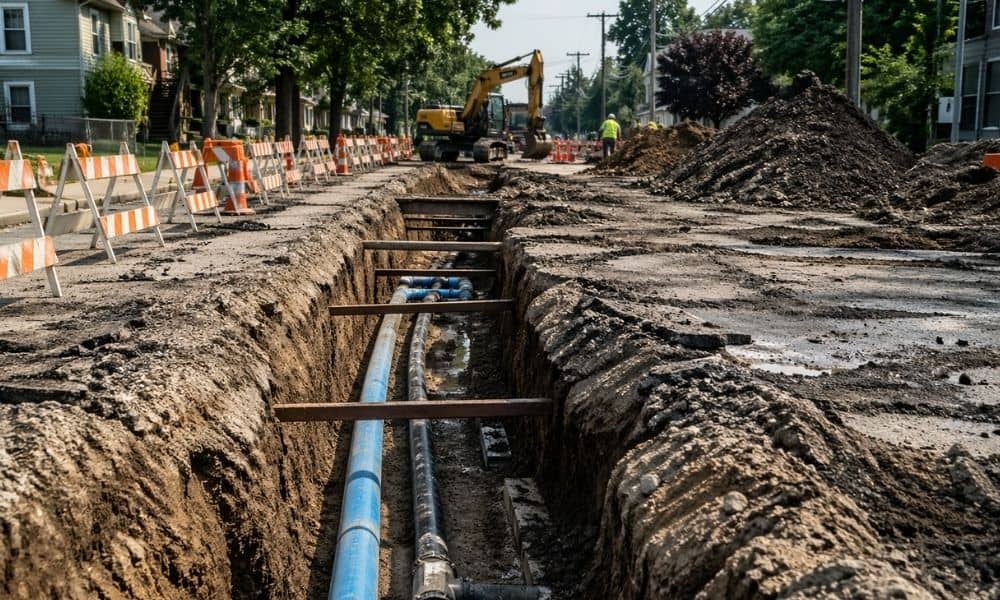
If you’ve driven around Irving lately, you’ve probably noticed it. Cones line the streets. Crews work along the roadside. Traffic slows where it used to move easily. It looks like road work. But that’s only the part you can see. Before any of that started, a lot had to happen behind the scenes. That early work shapes how the whole project turns out. It decides whether things move smoothly or hit delays. It usually comes down to the early engineering services for utility work that happen long before crews show up.
What’s Really Happening Under Those Roads
Utility upgrades are not just about fixing what’s broken. Cities like Irving update systems because the old ones can’t keep up anymore.
Water lines age. Wastewater systems carry more load. Streets need to handle more traffic. So the city has to step in and upgrade everything below the surface.
That sounds simple until you think about what’s buried underground.
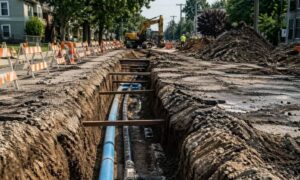
Pipes cross each other. Old lines sit next to newer ones. Some records are outdated. Others are missing. Crews don’t get a clear view just by digging.
So before any road work starts, someone has to figure all of that out.
The Part No One Sees Before Construction Starts
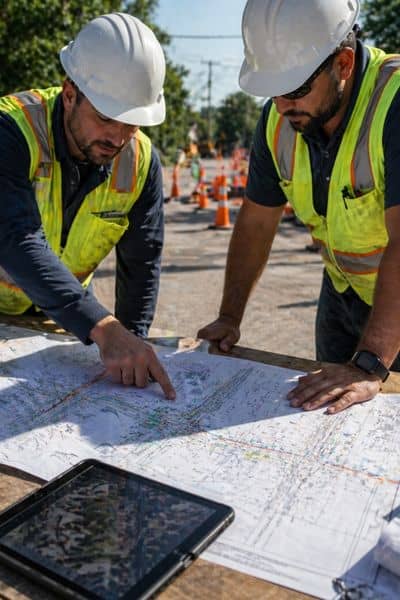
People see machines and workers. They don’t see the planning that makes it all possible.
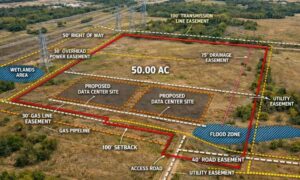
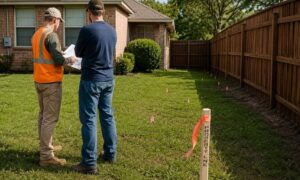
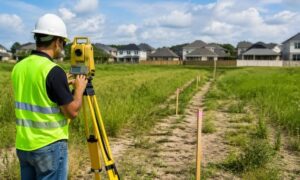
Before a single hole gets dug, engineers take a close look at the site. They go through maps, records, and existing layouts. In most cases, they start by doing site surveys before construction begins so they know what’s already underground. From there, they figure out how everything connects.
They also plan how new systems will tie into old ones. That step matters more than most people think.
A water line can’t just be moved. It has to stay connected the whole time. Homes and businesses still need service. Roads still need to stay open.
So engineers plan each move ahead of time. They decide what gets moved first, what stays active, and what needs support during the process.
Without that planning, the job stops before it even starts.
Why These Projects Can Go Wrong Without Proper Engineering
Underground work comes with risks. Crews don’t always know what they will find until they start digging.
One mistake can slow everything down.
A pipe might sit where no one expected it. A connection might not match the records. A line could be in worse shape than planned.
When that happens, crews can’t just keep going. They have to stop, rethink the plan, and adjust in the field.
That takes time. It also costs money.
Strong engineering work reduces those surprises. It won’t remove every problem, but it cuts down the number of unknowns before construction begins.
That difference shows up fast once work starts.
Why Timing Matters More Than Most People Realize
Utility upgrades follow a tight sequence. One step depends on the next. If something gets delayed, everything behind it slows down too.
So engineers don’t just plan the design. They also plan the order of work.
They decide when crews can move in. They map out how traffic will shift. They look at how each phase affects the next one.
That kind of coordination keeps projects moving.
Without it, jobs stall. Crews wait. Roads stay closed longer than expected. Frustration builds, and costs go up.
What This Means for Property Owners
You might think this only applies to city projects. It doesn’t.
Smaller projects deal with the same problems, just on a different scale.
If you’re building on a site, you still have to deal with utilities. You still need to connect to existing systems. You still have to work around what’s already there.
Skip early engineering, and those problems show up later.
That usually happens when it’s too late to fix things easily.
A project might pause while changes get made. Costs can rise without warning. Timelines stretch out.
All of that could have been handled earlier with the right planning.
Why Growing Cities Make This Even More Important
Irving keeps growing. More development means more pressure on existing systems.
That makes every new project harder to fit into what’s already in place.
There’s less room for mistakes. There’s less room for guesswork.
So engineering services take on a bigger role.
They help projects fit into tight spaces. They help new systems connect without breaking old ones. They help keep everything working while changes happen.
As cities grow, this kind of work becomes more important, not less.
What Irving’s Projects Are Showing Right Now
Those cones and construction zones tell a story, even if most people don’t notice it.
They show how much work happens before anything gets built.
They show how many moving parts need to line up before crews can even begin.
And they show what happens when a city invests in doing things the right way from the start.
You don’t see the engineering services behind it.
But you see the results when the job runs smoothly.
Starting the Right Way Makes the Difference
Every project begins somewhere.
Some start with rushed decisions. Others start with clear planning.
That first step shapes everything that follows.
Engineering services set that direction early. They reduce risk. They keep projects moving. They help avoid the kind of problems that show up halfway through construction.
You won’t see that work from the road.
But without it, the road work you do see would fall apart fast.