
If you’re planning to replat a commercial property, one thing matters early on: getting a surveyor involved before anything moves forward.
A lot of property owners wait too long. They start with plans, layouts, or even city submissions. Then problems show up. Lot lines don’t match. Access doesn’t work. Easements block the build area.
That’s where a surveyor comes in. The right review early can save weeks of delay and a lot of money.
Understanding What a Commercial Replat Involves
A commercial replat changes how land is divided. You might combine lots, split them, or adjust boundaries to fit a new use.
In Midland, this happens often. Properties near major roads or growing areas get reshaped to support new businesses. Land that worked years ago may not fit today’s needs.
Because of that, the details matter. Even a small change in a lot line can affect access, building space, and approval.
That’s why a surveyor looks deeper than just lines on a map.
Checking the Legal Description Against the Actual Property
The first thing a surveyor reviews is the legal description.
This is the written record of your property. It should match what exists on the ground. But many times, it doesn’t.
Older parcels in Midland may rely on outdated descriptions. Some refer to markers that no longer exist. Others don’t line up with nearby properties.
A surveyor compares the records to real measurements. If there are gaps or overlaps, they catch them early.
If you skip this step, your replat can stop before it even starts.
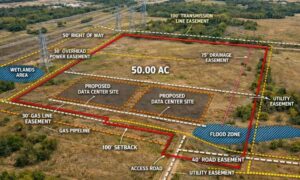
Finding Easements That Affect Your Layout
Easements are one of the biggest surprises for property owners.
These are areas where others have rights to use part of your land. That could be for utilities, drainage, or access.
A surveyor locates these easements and shows how they affect your property.
In Midland, this matters more as infrastructure grows. New sewer lines, road work, and utility expansions create more restrictions.
You might plan a building in one spot, then learn an easement runs right through it.
That changes everything.
Reviewing Access and Road Frontage
Access can make or break a commercial property.
A surveyor checks how your land connects to public roads. They also look at frontage requirements and existing driveways.
Some properties seem usable at first. Then access issues show up. Maybe there’s not enough frontage. Maybe shared access creates limits.
Cities look closely at this during replat review. If access doesn’t meet requirements, approval gets delayed.
A surveyor helps you see those problems before submission.
Spotting Encroachments on the Property
Encroachments happen when something crosses a boundary line.
This could be a building, fence, parking area, or driveway. Many times, these were built without a recent survey.
A surveyor checks if anything sits outside the legal boundary.
If it does, you may need to fix it before moving forward. That could mean redesign, negotiation, or even legal steps.
Catching this early avoids bigger problems later.
Looking at Right-of-Way Impacts
Right-of-way areas belong to public use, usually for roads.
A surveyor reviews current road limits and checks if future expansion could affect your property.
Midland continues to grow, and road improvements happen often. That means your land today may not stay the same tomorrow.
If part of your property falls within a future right-of-way, your usable space shrinks.
That directly affects your replat design.
Checking Utility Locations

Utilities play a big role in how land can be used.
A surveyor identifies where sewer, water, and drainage lines run across your property.
These lines limit where you can build. They also affect how you lay out new lots.
In some cases, utilities don’t match the recorded plans. Field checks reveal the real locations.
Without this step, your design may not work in the real world.
Reviewing Lot Shape and Practical Use
Not every lot works well, even if it meets basic rules.
A surveyor looks at the shape and layout of the parcel. Narrow sections, odd angles, or uneven boundaries can create problems.
For example, a lot might meet size requirements but still not fit a building, parking, and access.
This is where real experience matters. A surveyor sees what works and what doesn’t.
That helps you avoid creating a lot that looks good on paper but fails in use.
Timing Matters More Than Most People Think
Many delays happen because the survey comes too late.
By that point, plans are already drawn. Changes cost more and take longer.
Getting a surveyor involved early gives you a clear picture from the start.
You know your limits. You know your risks. You can plan with real data.
That keeps your replat moving forward instead of going back and forth.
How a Surveyor Helps Keep Your Project on Track
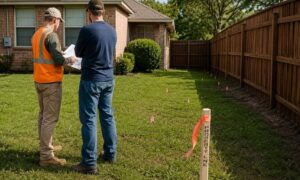
A surveyor does more than measure land.
They help you avoid mistakes before they happen. They connect the legal side with the physical site. They give you a clear base to build from.
That makes the entire replat process smoother.
You deal with fewer surprises. You avoid redesign. You move through approval with fewer issues.
For commercial property, that kind of clarity matters.
Closing Thought
Replatting land may seem simple at first. Move a line, adjust a lot, submit the plan.
But the details tell a different story.
A surveyor checks those details before they turn into delays, costs, or lost opportunities.
If you’re planning a commercial replat, start there.