Water is something most people do not think about every day. You turn on the tap, and clean water comes out. However, when a city faces a water shortage, people quickly see how important the system is. Recently, news from Texas showed a serious warning. A large coastal city began to face the risk of running out of water. Local leaders raised concerns, and experts started studying the problem. Although this crisis happened far from North Texas, it still gives an important lesson for fast-growing cities like Plano. Growth brings opportunity. Yet growth also puts pressure on water systems. That is where an environmental engineer plays an important role. These professionals help cities grow while protecting water for the future.
Why Fast-Growing Cities Face Water Pressure
Cities across Texas keep growing. Every year, new homes, stores, and offices appear. Because of this, more people need water for drinking, cooking, cleaning, and watering plants.
At first, the system may handle the demand. However, over time the pressure grows. Water treatment plants must clean more water. Pipes must carry more water. Storage tanks must hold larger amounts.
At the same time, weather patterns change. Texas often swings between drought and heavy rain. Long dry periods lower lake and reservoir levels. Then strong storms can bring flooding.
Because of these conditions, cities must plan ahead. Without planning, water systems can fall behind population growth. Eventually, shortages may happen.
So, fast-growing cities must think about water long before problems begin.
The Hidden Work of an Environmental Engineer
Many people hear the word engineer and think about roads or bridges. However, water systems also depend on careful planning. In fact, an environmental engineer focuses on protecting natural resources while helping cities grow responsibly.
Because of this, cities often work with experienced environmental engineering professionals who understand how water systems interact with development, weather patterns, and long-term infrastructure needs.
These engineers study how water moves in nature. They look at rivers, lakes, groundwater, and drainage systems. Then they design ways to protect both people and the environment.
For example, an environmental engineer helps cities answer key questions:
- Where will future water supplies come from?
- Can the treatment plant handle more demand?
- Will a new development affect nearby rivers or lakes?
- How should rainwater move through a neighborhood?
Because of this work, cities can grow without harming their water supply.
Planning Water Systems Before Growth Happens
A city cannot wait for a crisis before improving its water system. Instead, planners must think years ahead. That process often starts with research and careful study.
An environmental engineer reviews how much water a city uses today. Then they estimate future demand based on population growth. After that, they study whether the current system can support that growth.
Sometimes the answer is no.
When that happens, engineers plan improvements. They may suggest larger pipes, bigger treatment plants, or new water storage tanks. In some cases, cities must also find new water sources.
Although these projects take time, early planning helps prevent serious problems later.
Why Developers Should Pay Attention

Water planning does not only affect cities. Developers must also think about water systems before building large projects.
For example, imagine a new housing subdivision near a growing city. Hundreds of families will move there in a short time. Each home will use water every day.
Without proper planning, the system may struggle to supply enough water.
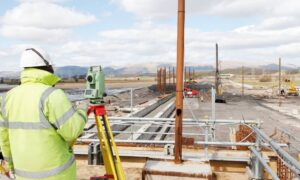
Because of this, developers often work with an environmental engineer early in the design process. Before the engineer can plan water supply and drainage, the team must first understand the land itself. This often starts with site surveying and land evaluation, which helps identify boundaries, slopes, and natural drainage patterns across the property.
Once the site conditions are clear, the engineer studies how the project may affect local water systems.
They may review:
- Water supply connections
- Wastewater systems
- Stormwater drainage
- Environmental rules and permits
When this planning happens early, projects move forward more smoothly.
Stormwater Matters Too
Water supply is only part of the story. Rainwater, also called stormwater, is also very important.
When rain falls on natural land, the soil absorbs much of the water. However, paved areas change that process. Roads, parking lots, and rooftops block the ground. As a result, rainwater runs quickly across the surface.
Without good drainage, flooding can happen.
An environmental engineer designs systems that move stormwater safely away from buildings and roads. These systems may include drainage channels, ponds that store water, underground pipes, or green spaces that absorb rain.
Good stormwater planning protects homes, streets, and nearby rivers.
Lessons From the Texas Water Crisis
The recent water concerns in Texas show one clear lesson. Cities cannot ignore water planning while they grow.
A shortage usually does not happen suddenly. Instead, problems build slowly. Population grows. Infrastructure ages. Weather patterns change.
Eventually, the system may reach its limit.
However, good planning can prevent this situation. Strong water management helps protect both residents and businesses.
An environmental engineer helps cities find risks early. They study the system, predict future needs, and design solutions that keep water systems working safely.
Because of this work, communities avoid major problems.
Why North Texas Must Stay Ahead
North Texas continues to grow quickly. Cities like Plano attract new residents and businesses every year. New homes, offices, and shopping areas appear across the region.
This growth helps the local economy. However, it also increases water demand.
Because of this, long-term planning becomes very important. Engineers must study future water supplies, treatment capacity, and pipeline systems. At the same time, they must protect rivers and lakes from pollution.
An experienced environmental engineer helps guide this process. Their work keeps growth balanced with environmental protection.
When cities plan carefully, they build systems that support future generations.
Building Strong Cities for the Future
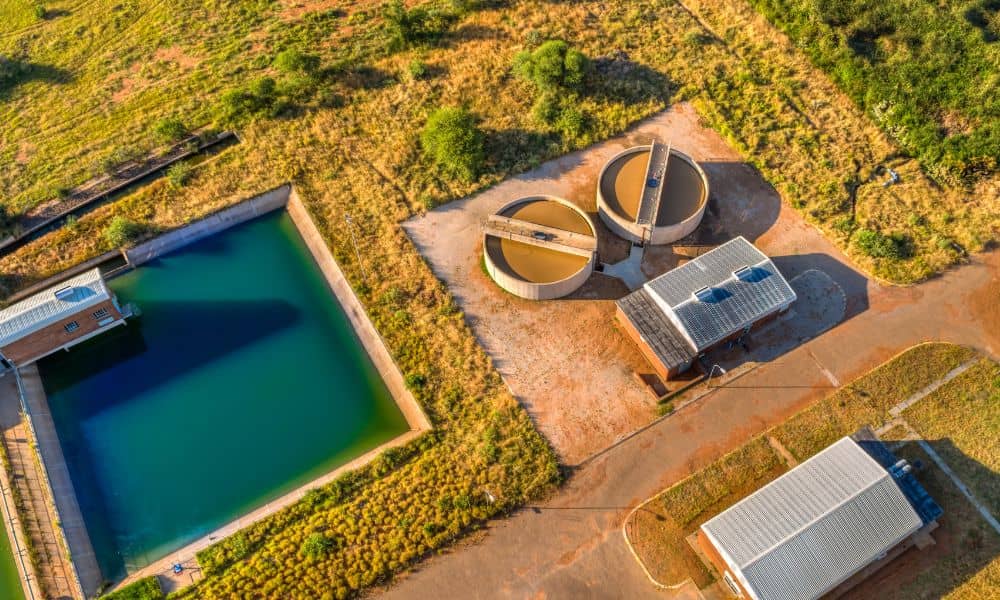
Water systems often stay hidden. Pipes run underground. Treatment plants operate quietly outside the city. Yet these systems support daily life for thousands of people.
Because of that, cities must treat water infrastructure as a priority.
The recent Texas water crisis reminds us why planning matters. Growth without preparation can create risk. However, careful engineering can prevent many problems before they begin.
An environmental engineer helps communities design safe systems that protect water resources. Through smart planning and strong design, these professionals help fast-growing cities grow safely.
In the end, environmental engineering does more than solve problems. It helps cities build a safer and stronger future.