Buying land can be exciting. You imagine your new home, a driveway, or maybe a small barn. But before you jump in, there’s one important thing many buyers overlook: drainage design. Without thinking it through, water can cause problems on your property, and your culvert permit might even be delayed or denied.
That’s why it helps to understand drainage planning early on. Knowing how water moves across the land and where it needs to go can save you time, money, and a lot of headaches. This guide will walk you through what to look for before you buy, so your land is ready for building and your permit goes smoothly.
Why Drainage Design Is Important
Water moves every time it rains. It flows across the land and finds low spots. If water doesn’t flow the right way, it can pool in the wrong places. It can soak your driveway or even cause damage to your land and neighbors’ land.
Drainage design is a plan that guides water where it should go. A good plan keeps your property safe and usable. It also helps make sure you can get your culvert permit. Without proper drainage design, your permit could be denied.
Greenville has many lots near county roads or FM roads with roadside ditches. If a culvert is not placed correctly, water can block your driveway or damage the road. Planning your drainage first protects your property and your investment.
What a Culvert Permit Is
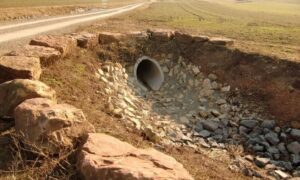
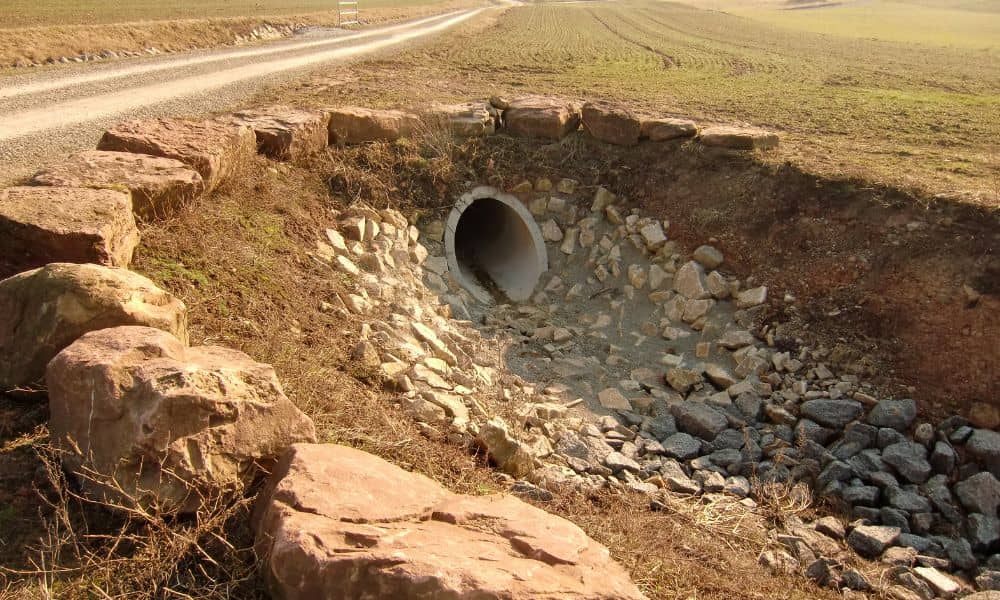
A culvert is a pipe that goes under your driveway. It lets water pass from one side of the ditch to the other. Without a culvert, water can build up and block your driveway, which can be frustrating and even dangerous.
In Greenville, TX, and Hunt County, you need a permit to install a culvert. Officials will review your plan to make sure water can flow safely and that it won’t cause problems for your neighbors. Before you even submit an application, it helps to have a professional site survey. A surveyor can check the land for slopes, low spots, and areas where water might collect, giving you a clear picture of how to place the culvert and plan your drainage.
When your drainage design is based on solid survey information, it not only protects your property but also makes it easier for officials to approve your permit. Knowing exactly how water moves across your land gives you confidence that your driveway will stay safe and functional for years to come.
Common Drainage Problems Property Buyers Face
Many buyers think a lot drains well just by looking at it. But appearances can be tricky. Water may move now, but after heavy rain or seasonal changes, it can pool in low spots or flow the wrong way.
Hidden slopes, soil type, and land shape all affect drainage. Even small mistakes, like placing a culvert too high or too low, can cause big problems.
Waiting until after you buy the land to check drainage can be expensive. You may need to redesign your plan, hire an engineer, or even fix grading. Planning ahead with proper drainage design avoids these problems.
How Drainage Design Helps Your Permit Get Approved

Good drainage design shows officials that water will flow safely. It proves your driveway and land will not cause flooding. Proper design considers water flow, slopes, and neighbors’ land.
A civil engineer can help. Engineers check the slope of the land, the soil type, and how water enters and leaves the property. They size the culvert pipe correctly and make sure water does not damage your land or nearby lots.
With proper drainage design, your permit is more likely to be approved quickly. It also saves money and stress in the long run.
When to Get Drainage Design Help
The best time to review drainage is before buying land. A civil engineer can check your property and find potential problems early. They can suggest solutions to make your land safe and ready for a culvert permit.
If you wait until after buying, you may face higher costs. You would have to add bigger pipes, move your driveway, or change the grading. Early drainage design review helps you avoid surprises and makes your project smoother.
A Real Greenville Example
Two buyers look at similar lots near Greenville.
Buyer A buys the land and applies for a culvert permit without checking drainage first. The permit is denied because water would not flow properly. Buyer A needs to hire an engineer and redesign the plan. The process takes weeks and costs extra money.
Buyer B works with a civil engineer before buying. The engineer checks the land, plans drainage, and ensures the culvert meets county rules. When Buyer B applies for the permit, it is approved the first time.
This shows the value of drainage design. Planning ahead saves time, money, and stress.
Final Thoughts
If you are buying land, don’t skip drainage design. It is key for permit approval, property safety, and long-term use.
A civil engineer can help plan drainage, size your culvert, and make sure your property meets county rules. Early drainage design protects your investment and makes building or using your land much easier.
Water flows whether you see it or not. Make sure your land is ready with proper drainage design. Then your project will flow as smoothly as the water itself.