
When Greenville announced the start of its new SportsPark project, many people focused on the fields, trails, and spaces for families. However, this project also highlights something less visible but just as important: stormwater design. Stormwater design plays a big role in keeping public spaces safe, open after heavy rain, and free from long-term damage. For property owners and developers across Texas, this project sends a clear signal about how site planning expectations are changing.
A public project that sets an example
Large public projects often shape how future development gets reviewed. Since cities use public funds, they expect systems that work well and last a long time. Because of that, engineers must plan stormwater systems that handle real use, not just ideal conditions.
Unlike many private sites, a SportsPark includes open fields, walking paths, and constant foot traffic. As a result, stormwater design must support safety, comfort, and daily use. This level of planning often becomes the new standard for nearby private projects as well.
Why parks change how stormwater is handled
Public parks face challenges that many private sites do not. Fields and trails need to dry quickly so people can use them. If water sits too long, grass can die, surfaces turn muddy, and parts of the park may close.
Over time, poor drainage also leads to erosion and uneven ground. Because of this, engineers design stormwater systems for parks with careful attention to how water moves across the land. Instead of rushing water away, they guide it safely through the site. This approach protects both the space and the people using it.
Stormwater design and public safety
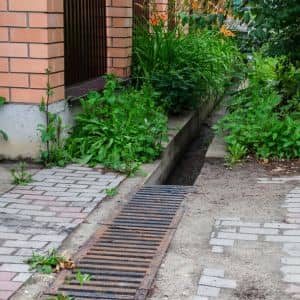
Safety is a top concern for public projects. Flooded paths, washed-out slopes, and water near play areas can all cause injuries. For that reason, stormwater design must reduce these risks before construction begins.
Engineers plan drainage routes so water flows away from busy areas. They also make sure systems can handle strong storms without failing. When public safety is involved, there is no room for guesswork. Today, many cities expect this same level of care on private developments too.
Planning for long-term care
Another key lesson from the SportsPark project is long-term maintenance. Cities own and care for public spaces for many years. Because of that, stormwater systems must be easy to inspect and fix.
Poor designs often clog or break, leading to repeat repairs and higher costs. On the other hand, smart stormwater design lowers maintenance needs and helps systems last longer. This long-term thinking now influences how cities review private site plans as well.
How public projects raise local expectations
When a city builds a major project, it often changes how it looks at other developments. Public projects show what the city expects in terms of safety and performance. Over time, these expectations carry over into private reviews.
Developers near the SportsPark may notice closer checks on drainage patterns and site grading. Even projects in other areas may feel the impact. Once cities adopt better stormwater practices, those practices often become standard.
What developers can learn from the SportsPark
For developers and property owners, this project offers clear lessons. Stormwater design now starts much earlier in the planning process. When teams wait until late design stages, they often face redesigns, review comments, and approval delays.
Projects move more smoothly when engineers begin with a site evaluation for drainage planning, which helps identify how water will move across the land before layouts are finalized. With this early insight, stormwater plans can guide building placement, access routes, and open space design from the start. This approach reduces surprises, shortens review time, and keeps projects aligned with growing city expectations.
Stormwater design as a smart planning tool
Instead of seeing stormwater design as a problem, many successful projects treat it as a helpful tool. When planned well, it improves how a site works, protects nearby properties, and adds long-term value.
The SportsPark shows how thoughtful stormwater planning supports growth while meeting community needs. It also shows how engineering choices affect daily use, from walking trails to sports fields.
Why this matters across Texas
Even though this project is in Greenville, its message applies across Texas. Cities continue to grow, and with growth comes more focus on how land handles water. Communities want systems that protect people, reduce risk, and work during heavy rain.
Stormwater design now plays a central role in meeting these goals. Projects that ignore it early often face problems later. In contrast, projects that plan for it from the beginning tend to move forward more smoothly.
A sign of smarter growth
Greenville’s SportsPark is more than a place to play. It shows how cities expect development to support safety, strength, and long-term use. For developers and property owners, the message is simple: stormwater design affects approvals, costs, and success.
As Texas communities expand, projects that follow this approach will stand out. They will meet city expectations, protect investments, and serve people better. While most of the work stays underground, its impact will shape how communities grow for many years.