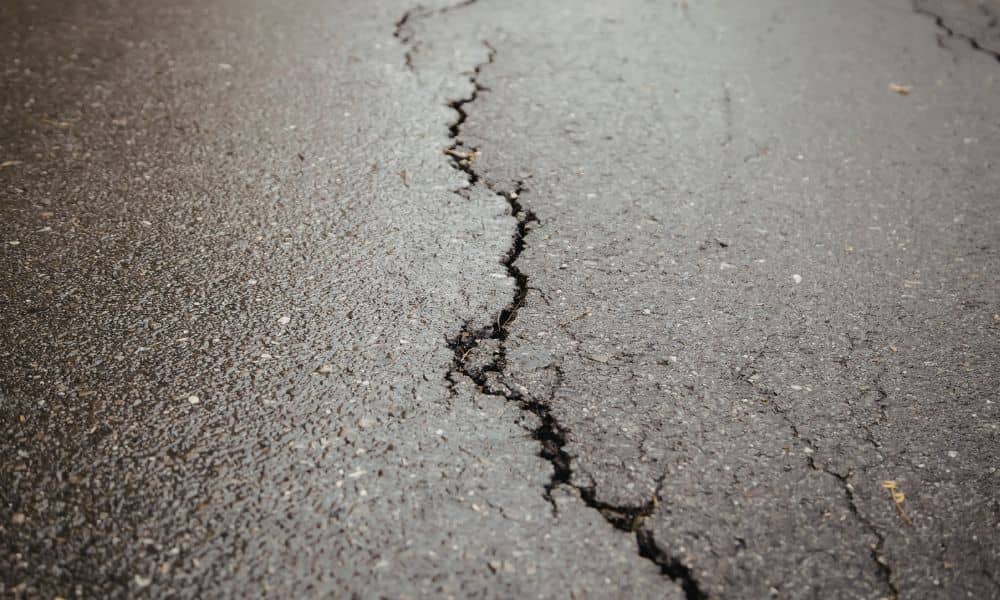
Texas roads take a beating. Between blazing summer heat, heavy truck traffic, and sudden rainstorms, pavement cracks fast. Now, researchers at UT Arlington are testing plastic-modified asphalt as a way to make roads last longer. The idea sounds simple: reuse plastic waste and create stronger pavement. However, this research also raises a bigger question. What does it mean for geotechnical engineering in Texas?
At first glance, better asphalt seems like a materials story. In reality, it connects directly to soil performance, foundation strength, and long-term ground stability. And that matters to developers, property owners, and cities across Arlington and the greater DFW area.
Why Plastic-Modified Asphalt Is Getting Attention
UT Arlington researchers have experimented with blending recycled plastic into asphalt mixes. The goal is clear. They want to improve crack resistance and reduce rutting under heavy loads. In Texas, that challenge feels urgent. High temperatures soften asphalt. Then heavy trucks push into it. Over time, the surface deforms.
Plastic fibers help stiffen the mix. As a result, the pavement resists heat damage better. At the same time, cities like the idea because it recycles waste and reduces landfill use. So the research checks two big boxes: durability and sustainability.
However, pavement strength does not stop at the surface.
The Ground Still Controls the Outcome
Even the best asphalt fails if weak soil supports it.
That’s where geotechnical engineering plays a key role. Every pavement system depends on layers. You have asphalt on top. Then you have base material. Beneath that sits the subgrade soil. If the subgrade shifts, the pavement cracks. If the soil holds moisture, the surface breaks down. If expansive clay swells and shrinks, the entire structure suffers.
North Texas presents unique soil challenges. Large areas around Arlington contain expansive clay. This soil expands when wet and shrinks during dry heat. As a result, it causes movement beneath roads, parking lots, and industrial yards.
Plastic-modified asphalt may improve the surface layer. However, it does not stop soil from swelling. It does not fix poor compaction. And it does not solve drainage problems.
So while the research looks exciting, soil still wins.
What This Means for Developers
If you develop commercial property, you care about long-term performance. A parking lot that cracks within three years costs money. A loading dock that settles creates safety risks. In many cases, owners blame the pavement material. However, the real issue often lies below.
This new asphalt research highlights something important. Material upgrades help, but they cannot replace proper soil evaluation.
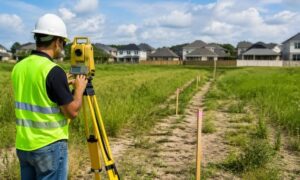
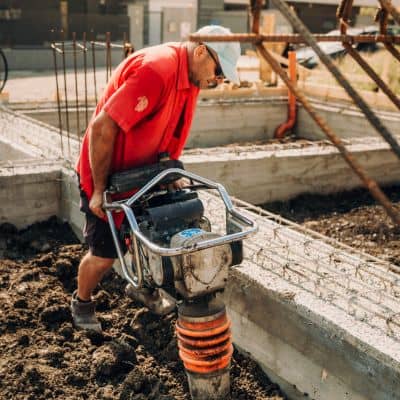
Before construction begins, a geotechnical engineer studies the site. They test soil strength. They measure moisture content. They identify expansive clay layers. Then they recommend how to prepare the ground.
For example, they may suggest:
- Removing unstable fill
- Adding lime stabilization
- Improving drainage
- Increasing base thickness
When teams follow these steps, pavement lasts longer. When they skip them, even advanced asphalt struggles.
Why Cities and Contractors Should Pay Attention
Arlington continues to grow. New developments, warehouses, and retail spaces appear every year. At the same time, traffic increases. Heavy trucks put stress on roads daily.
Plastic-modified asphalt may reduce cracking. However, cities still need strong geotechnical engineering support for each project. Climate patterns in Texas include sudden downpours followed by long dry spells. This cycle stresses soil layers repeatedly.
Without proper subgrade preparation, moisture builds beneath pavement. Then the soil weakens. After that, ruts form. Eventually, repairs begin.
When municipalities combine innovative materials with solid soil design, they reduce long-term maintenance costs. In other words, innovation works best when it sits on stable ground.
Sustainability and Soil Go Hand in Hand
Many people see plastic-modified asphalt as an environmental story. That makes sense. Reusing waste helps the planet. However, sustainability also depends on lifespan.
If pavement lasts ten years instead of five, the city saves money and reduces material waste. Yet durability depends on more than asphalt chemistry. It depends on proper compaction, drainage planning, and soil treatment.
Geotechnical engineering supports sustainability in a practical way. Engineers design systems that control moisture. They recommend stabilization methods. They plan grading to direct water away from pavement structures.
As a result, projects reduce failure risk and extend service life. That combination supports both environmental goals and financial goals.
The Smart Approach: Combine Innovation with Soil Data
So how should property owners respond to this research?
First, stay open to material improvements. Plastic-modified asphalt may offer real benefits in hot climates like Texas. However, do not treat it as a cure-all.
Second, invest early in geotechnical investigation. A soil report provides critical data before design decisions lock in. It helps engineers size pavement sections correctly. It guides base preparation. It identifies moisture risks.
Third, coordinate civil and geotechnical teams from the start. When both sides collaborate, they create balanced solutions. For example, they may adjust pavement thickness based on soil strength. Or they may recommend stabilization where needed.
This integrated approach reduces surprises during construction. It also lowers repair costs down the road.
Why This Research Matters Beyond the Lab
UT Arlington’s work shows that infrastructure innovation continues to evolve. Texas faces real stress from climate and growth. Stronger asphalt may help cities respond. However, the research also reminds us of a basic engineering truth.
The surface tells only part of the story.
Every road, parking lot, and industrial yard depends on soil behavior. Geotechnical engineering ensures that structures sit on prepared, stable ground. Without that foundation, advanced materials cannot perform at their best.
For developers, this message carries weight. Growth will not slow down. Heavy traffic will not decrease. Weather will continue to challenge infrastructure. Therefore, combining smarter materials with smarter soil planning makes sense.
Final Thoughts
Plastic-modified asphalt may reshape how Texas builds roads. It promises improved crack resistance and environmental benefits. However, it does not replace the need for strong ground design.
Geotechnical engineering remains the backbone of pavement performance. It controls settlement. It manages moisture. It protects long-term investment.
So before choosing upgraded asphalt, make sure the soil beneath it receives the same level of attention. When innovation meets solid ground, Texas infrastructure stands a much better chance of lasting for decades.