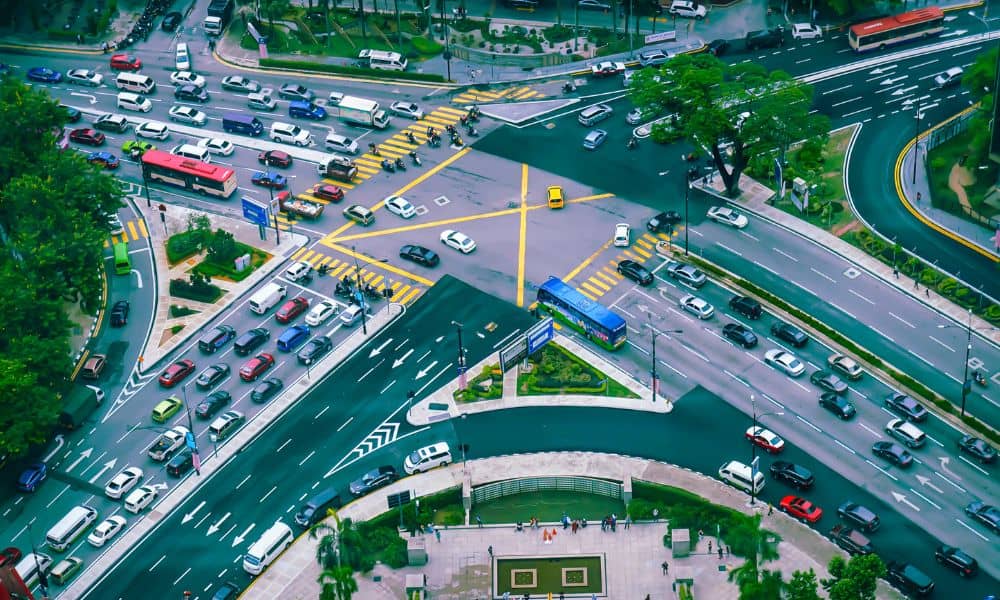
If you have ever driven in Arlington you know how busy the roads can be. Sometimes traffic feels slow, and other times an intersection feels unsafe. Transportation engineers work every day to make driving safer and less stressful.
They do more than just design roads. They study how people drive, where accidents happen, and what changes can help. Because of their work, traffic moves better, and there are fewer chances for crashes.
The Role of Transportation Engineers in Arlington’s Road Safety
Transportation engineers think about people first. They ask, Where are drivers having trouble? Which spots are unsafe for walkers or bikers? Then, they make plans to fix those problems.
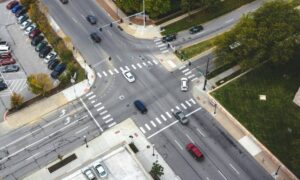
In Arlington, this could mean adding crosswalks near schools, making turns easier at busy streets, or putting in new traffic lights. Each change is made to help drivers and pedestrians stay safe.
Finding the Sources of Road Hazards
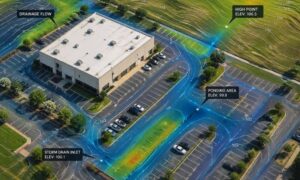
Before making changes, transportation engineers look at where accidents happen most. They check crash reports from streets like Collins Street or Pioneer Parkway.
Sometimes they see that a curve is hard to see at night. Other times, a confusing road layout causes drivers to guess who should go first. By finding these problems, they can make changes that remove the danger.
Designing Safer Roads Across Arlington

Good road design can stop accidents before they happen. Wider lanes give drivers more room. Guardrails keep cars from going off the road. Roundabouts can slow traffic and make it safer to turn.
In Arlington, transportation engineers use these ideas to make roads easier to drive. This helps drivers feel more in control and less likely to make mistakes.
Using Technology to Prevent Collisions
Today, technology plays a big role in road safety, and transportation engineers in Arlington are using it to keep drivers safe. Smart traffic lights can adjust based on how many cars are on the road, which helps prevent long lines and sudden stops.
At the same time, sensors at intersections can detect speeding or sudden lane changes. These sensors can warn drivers or adjust the traffic lights to lower the chance of a crash. Because of these tools, people driving in Arlington can travel more smoothly and with less risk.
Educating the Public About Safer Driving
Even with better roads, drivers still need to make good choices. That is why transportation engineers help with safety campaigns.
These campaigns might remind drivers to slow down in school zones, wear seat belts, or watch for pedestrians. They may also explain how to use new road designs, like roundabouts, the right way.
Adapting to Arlington’s Growth and Changing Needs
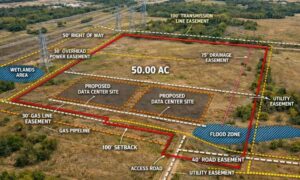
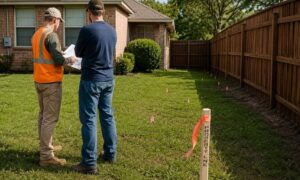
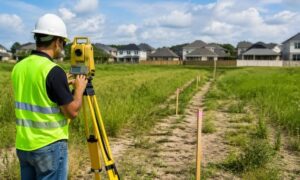
Arlington is growing quickly. Roads that were safe years ago may now be crowded. Transportation engineers keep checking traffic and updating designs to fit the city’s needs. In some projects, an ALTA Land Title Survey provides key details about property boundaries, easements, and access points that influence how new roads or intersections are planned.
They also plan ahead so new neighborhoods and shopping areas do not cause future traffic problems. This way, roads stay safe as the city changes.
Real Results from Safer Road Designs
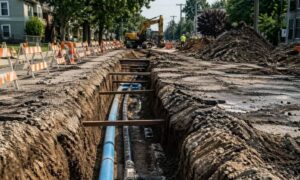
When roads are updated, the results are clear. There are fewer accidents, smoother traffic, and safer streets.
In Arlington, these changes make daily life better. People can get to work, school, or local events with less stress and more safety.
Working Together for a Safer Arlington
Transportation engineers do not work alone. They team up with police, city planners, and local residents. If a neighborhood has a speeding problem, engineers can help find a way to slow cars down.
This teamwork, supported by comprehensive traffic improvement services, keeps Arlington’s roads safe for everyone drivers, bikers, and pedestrians.
A Safer Future for Arlington’s Roads
Every project by Arlington’s transportation engineers makes the city safer. Fewer accidents mean fewer injuries and more peace of mind.
Whether you are a homeowner, a business owner, or a developer, their work helps you. Supporting transportation engineering is about more than building roads it is about protecting lives.
FAQs
1. What do transportation engineers do every day?
They plan, design, and check roads to make sure they are safe. In Arlington, they also look for ways to fix traffic problems before accidents happen.
2. How do they decide which roads to improve?
They look at accident reports, traffic counts, and feedback from people who live in the area. Roads with more safety problems usually get fixed first.
3. Do transportation engineers help with bike lanes and sidewalks?
Yes. They design safe spaces for bikes and walkers so everyone can share the road without danger.