
Getting a land development project approved can feel slow. One missing detail in your plans can set you back weeks. That’s where subdivision engineering makes all the difference. It’s the plan that turns open land into build-ready lots — and when it’s done right, your approval moves faster and smoother.
What Subdivision Engineering Really Means
Subdivision engineering is the full plan for how land will be divided, drained, and connected to roads and utilities. It’s not just drawing property lines. It’s designing the land so that it actually works — from stormwater flow to driveways to future maintenance.
In Kaufman, both the city and the county want to see how your subdivision will affect drainage, traffic, and nearby areas. That means your plans should be clear, complete, and easy to follow. When reviewers can understand everything at a glance, your approval goes much faster.
Why First-Pass Approval Is So Important
Many developers know the pain of sending in a plan, waiting weeks, and then getting a list of changes. Each resubmission means another delay — and another month before construction starts.
A complete subdivision engineering package helps you avoid that. It gives the reviewers all the details they need the first time. Planning ahead doesn’t just save time — it builds your reputation for being organized and dependable.
Start with Solid Groundwork
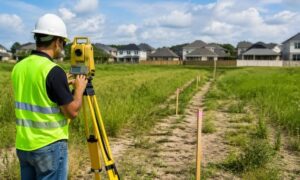
Before any design starts, get an updated topographic survey with one-foot contour lines. Kaufman’s land is mostly flat, and even small changes in slope can affect drainage. A detailed base map helps you design proper grading and water flow.
If your site is close to a flood zone, check that early. A quick review during planning can save you from major redesigns later. It’s always better to confirm before your plans are submitted.
Smart Drainage Design: The Hidden Hero
Drainage is where many small subdivisions struggle. Kaufman follows standard stormwater methods using rainfall data for 2-, 10-, 25-, and 100-year storms.
Flat ground often leads to mistakes in time-of-concentration calculations. That can cause culverts to be too small or water to back up during heavy rain. Use realistic slopes and composite curve numbers for pavement, lawns, and rooftops to get accurate flow results.
Also, include a clear detention design. Add a simple table showing storage and discharge, along with orifice and weir details. Even a short sketch showing how water drains across the site gives reviewers confidence your design will not cause flooding elsewhere.
Grading and Layout Reviewers Appreciate
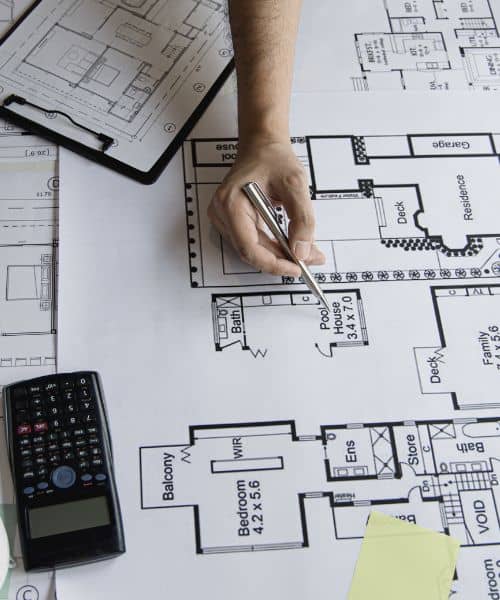
A clean grading plan does more than show contour lines — it proves that every lot drains correctly. Include arrows showing where water flows and mark finished-floor elevations for each lot. Reviewers love seeing a clear path for drainage because it answers most of their questions up front.
Follow local roadway design standards for driveways, curbs, and streets. Add cross-sections, pavement details, and curb returns that fit small subdivision needs. Make sure driveways connect smoothly to public roads, especially where grades change more than three percent.
Utility and Roadway Plans That Tell the Story
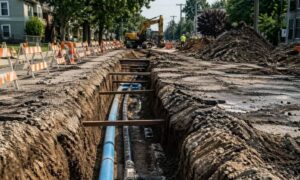
Utility plans should show every water, sewer, and storm line clearly — with pipe sizes, slopes, and tie-in points marked. Always include horizontal and vertical separations between lines. Missing that small detail is one of the top reasons for review delays.
In your roadway plan, include pavement thickness and base type. Match it to the soil data or geotechnical report. When your paving, drainage, and grading all work together, it shows the reviewer that your subdivision is well-engineered.
Erosion Control and ESC Plan
Erosion control might seem minor, but it’s one of the first things inspectors look for. A good ESC plan includes silt fences, inlet protection, stabilized construction entrances, and small check dams where needed. Label each one as temporary or permanent and explain how they’ll be maintained.
Adding a short construction sequence — clearing, grading, utilities, paving, and stabilization — also helps. It shows you’re thinking ahead about how to manage the site during construction.
When and What to Submit
Timing is everything. The Planning and Zoning Commission only meets once a month. Missing their submittal date can delay your project four weeks or more. Keep your internal schedule aligned with their meeting calendar.
If your site is outside city limits, check whether the county needs to review it too. It’s always better to confirm before work begins than deal with stop-work orders later.
Review-Proofing Your Plans
Before you send your plans, double-check that:
- Every inlet has a label and ID.
- Overflow routes are drawn and easy to follow.
- A detention maintenance plan is included.
- Each sheet is clearly named and ordered.
- The first page includes a simple “Reviewer Roadmap” that summarizes the key details.
That last step is huge. A one-page summary helps reviewers see everything quickly. The easier you make their job, the faster they’ll approve your project.
Common Mistakes That Cause Delays
- Using old rainfall data.
- Forgetting to separate utilities correctly.
- Missing the engineer’s seal on drawings.
- Skipping maintenance notes for detention ponds.
- Leaving drainage reports incomplete.
These seem like small issues, but they can bump your project to the next review cycle — adding another month of waiting.
The Payoff: Smooth Reviews and Faster Starts
When subdivision engineering is done right, your plans pass review faster and build trust with local reviewers. A complete, clear package tells them you know the rules and respect the process. That level of care is what separates good engineers from great ones — the kind of quality people hope to find when they look for engineering firms near me that can actually deliver results.
Final Thoughts
Getting a subdivision approved doesn’t have to be difficult. With a well-built subdivision engineering package — clear grading, strong drainage design, complete utilities, and on-time submissions — your project can move from paper to construction without long delays.
If you’re planning a small subdivision under five acres, start early, plan carefully, and submit once with confidence. Your first-pass approval might become the new standard others aim to match.