Texas grows fast, and road networks grow with it. Because of this growth, roadway design becomes a bigger priority for cities like Fort Worth. In the last few days, Texas started a major project in South Texas: a new 17-mile loop called Loop 195. The story spread across the state, and many people saw it as another sign that Texas plans more road expansions in the coming years. Even though this new loop sits far from Fort Worth, it still affects how North Texas engineers, planners, and developers plan future projects.
Loop projects change more than traffic. They change rules, timelines, and design expectations. They also shift growth patterns across the state, which later reach large cities like Fort Worth. When Texas invests in big highway loops, it signals a new chapter in transportation planning. Because of that shift, anyone involved in land development or local projects needs to understand what this means.
Texas Loop Projects Show Where the State Is Heading
The Loop 195 groundbreaking offered more than a local update. It showed the entire state that Texas wants smoother traffic flow, safer roads, and better long-term mobility. Each time the state builds a loop, it creates room for growth around it. Freight routes change, new businesses move in, and housing developers begin planning nearby projects.
This loop sits in Starr County, but it fits a bigger trend. Texas keeps expanding major corridors in both rural and urban areas. Because of that, planners expect more people, more freight, and more pressure on current roads. They need better tools, better models, and better roadway design to keep traffic moving.
Why These Loops Influence Roadway Design in Fort Worth
A project several hours away may seem unrelated, but major loops affect North Texas in many ways. They bring new design rules, shift funding priorities, and show how Texas prepares for more people.
Loop projects bring new ideas into the design process. Engineers update methods for lane width, shoulder width, drainage, and safety barriers. These ideas spread into new guidelines across Texas. Because roads connect to state routes, new standards turn into new rules for local projects, developers, and engineers.
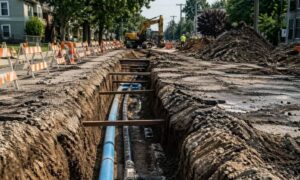
Texas also deals with stronger storms each year. Because of this, big loop projects now include stronger drainage features and detention systems. These upgrades help reduce flooding and protect neighborhoods. Fort Worth already deals with flood-risk areas, so these statewide changes shape how engineers plan intersections, driveways, and access roads.
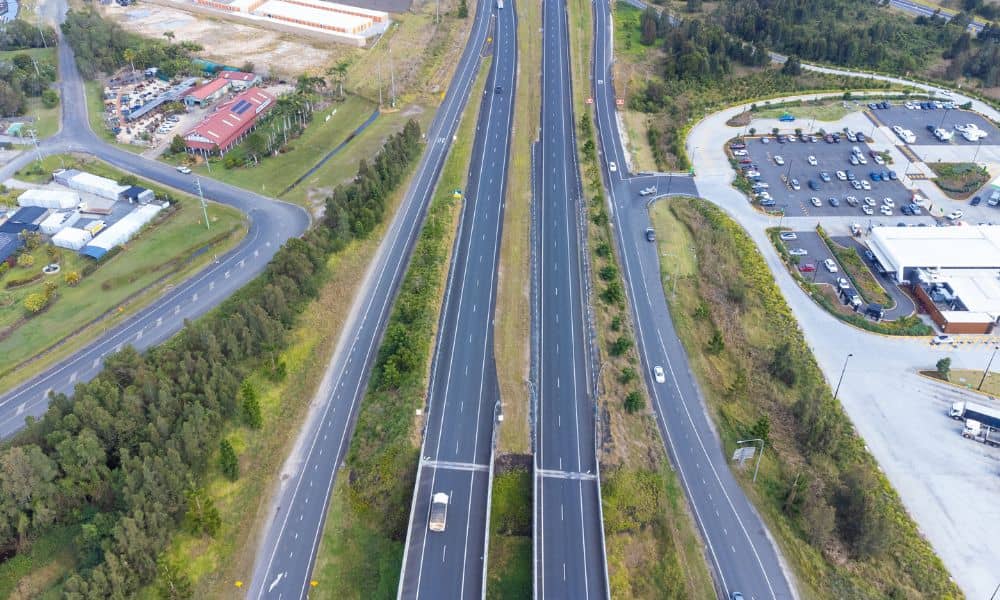
New loops also shift travel patterns. A large loop moves freight and daily traffic away from crowded roads but also pulls growth toward new areas. Stores, warehouses, and subdivisions often grow near new routes. Because of this, North Texas needs new traffic studies and updated roadway design to keep up.
What These Changes Mean for Developers and Cities
Every project now sits within a bigger statewide plan. Since Texas grows fast, cities cannot rely on old roadway plans. Future traffic will not look like past traffic, and new roads pull more people into the region. Developers and property owners now need to think ahead.
Texas invests more money in infrastructure each year. This creates more work for engineers, project managers, and designers. As demand rises, timelines become tighter. Developers in Fort Worth need to plan early because design teams fill up fast.
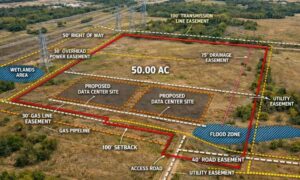
Access rules also change as roadway design standards rise. When a property connects to a state route, TxDOT reviews access points with more detail. New loop projects raise the bar for safety and traffic flow. Because of this, developers now need clearer layouts, stronger traffic studies, and roadway designs that meet updated expectations.
New loops also change property values. They shift travel patterns and move growth from one part of a region to another. Fort Worth sits in the middle of this movement. As Texas reshapes travel corridors, landowners face new opportunities and challenges. Some areas become better for commercial or industrial use. Others need roadway upgrades before large projects begin.
How Civil Engineering Firms Adapt Their Roadway Design Approach

Engineering firms now treat roadway design as a long-term strategy. To keep up with statewide changes, they adjust their tools and methods.
Many firms use improved traffic modeling to predict congestion. This helps when development follows new loop projects. Engineers also design stronger drainage and detention systems to handle heavier storms and higher runoff. Good roadway design includes these features from the start.
Cities want safer roads for drivers, cyclists, and pedestrians. Because of this, engineers plan wider corridors, smoother slopes, and safer crossings. They also design for long-term growth since new loops attract more businesses and homes. Roads built today need to work well many years from now.
Why This Matters for Anyone Planning a Project
Developers, investors, and city leaders need to know one thing: roadway design changes because Texas itself changes. New loops do more than improve traffic. They change the whole transportation network. They affect where people live, where freight moves, and which areas grow next.
If someone plans a subdivision, they may need updated design features before approval. If a company builds near a TxDOT route, the access plan may need a new layout. Even small projects may need stronger traffic studies because statewide patterns shift.
Smart planning fixes these issues early. Good roadway design saves time, prevents delays, and prepares sites for long-term success.
Conclusion:
The Loop 195 news shows what Texas values: safer roads, stronger mobility, and long-term growth. These choices shape the entire state, including Fort Worth. As Texas invests in more major projects, roadway design becomes a central focus for developers, engineers, and communities.
Fort Worth continues to grow, and the city needs modern roadway design to keep up. Planning early and understanding statewide changes help every project succeed in a fast-growing region.