When an ALTA survey is in progress, requests for specific Table A items often come from lenders, attorneys, or project teams trying to meet closing or construction requirements. Sometimes, a construction surveyor will pause, ask questions, or recommend changes before proceeding.
To clients, this can feel like hesitation or unnecessary pushback. In reality, these questions are usually raised to protect the project—not slow it down. Construction surveyors are trained to flag risk early, clarify what can realistically be delivered, and ensure the final survey holds up under professional, legal, and title standards.
Understanding why construction surveyors question certain ALTA Table A requests can help project teams avoid delays, reduce liability, and move forward with clearer expectations.

Let’s break down why construction surveyors push back — and why that pushback usually helps your project.
What ALTA Table A Really Is (and Why It Gets Confusing)
ALTA Table A is not a checklist of free add-ons. It’s a menu of optional items that change the scope of the survey. Each item asks the surveyor to confirm, show, or certify something specific about the property.
Many clients assume Table A works like ordering toppings on a pizza. You check a few boxes, and everything stays simple. However, that assumption causes most of the friction.
From a construction surveyor’s perspective, each Table A item changes what they must verify in the field, confirm in records, and stand behind legally. That’s why surveyors slow things down once Table A enters the conversation.
Why Construction Surveyors Raise Concerns About ALTA Requests (It’s Not About the Fee)
Pushback rarely comes from price alone. It comes from liability.
When a construction surveyor signs an ALTA survey, they certify that the information shown meets national standards. If a Table A item turns out wrong or unclear, the responsibility lands on the surveyor, not the title company or lender.
That risk increases fast when:
- Records conflict with field conditions
- Utilities lack clear documentation
- Improvements sit close to boundaries
- Access appears informal or undocumented
Surveyors push back because guessing is not an option. Accuracy protects everyone involved, including you.
The Table A Items That Often Require More Review
Some Table A items trigger more discussion than others. This doesn’t mean they’re bad. It means they require clarity.
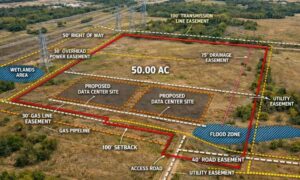
Item 15 (Improvements) often causes confusion. On redevelopment or construction sites, improvements may appear incomplete, temporary, or undocumented. A construction surveyor must decide what qualifies as an improvement and what doesn’t.
Utility-related items also cause friction. Clients often request utilities to be shown, but utility records may be missing, outdated, or incomplete. Showing assumed locations creates risk.
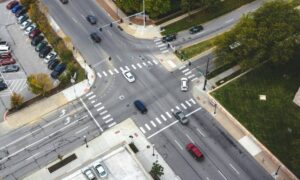
Access and parking items can also complicate things. Urban properties, infill lots, and shared driveways often rely on informal access that lacks recorded rights. A surveyor cannot certify access that doesn’t legally exist.
This is where many Reddit complaints begin — not because surveyors refuse work, but because they refuse uncertainty.
“Can’t You Just Use the Old Survey?” Why the Answer Is Usually No
This question comes up constantly, both online and in real transactions.
Old surveys feel convenient. They look familiar. They cost less upfront. Still, they often create problems later.
A construction surveyor cannot rely on an old survey if:
- Property lines changed
- New easements were recorded
- Improvements were added or removed
- Standards changed since the last certification
Even small changes can invalidate a survey. Reusing outdated information puts the entire transaction at risk. Surveyors push back because they know that old data creates new problems.
How Table A Requests Affect Timeline (and Why It Feels Sudden)
Many clients feel blindsided when timelines change after Table A gets added. That reaction makes sense.
Table A items often require:
- Extra record research
- Utility coordination
- Field verification
- Additional review time
These steps cannot happen instantly. When Table A comes in late, the schedule shifts late too. Surveyors push back to reset expectations before delays hurt your closing or construction start.
That short pause now prevents longer delays later.

How to Request Table A Items Without Pushback
Early coordination makes a real difference. When clients talk through their needs with construction surveying services before finalizing ALTA Table A items, surveyors can flag issues early, confirm what’s possible, and avoid last-minute changes that delay closings or construction starts.
Many frustrations happen simply because Table A requests come in after work has already begun. By discussing requirements upfront, clients give surveyors the chance to clarify scope, review available records, and identify potential gaps before they turn into problems.
Why This Matters Even More on Construction Projects
Construction sites raise the stakes. Small errors can lead to permit issues, layout mistakes, or financing delays.
A construction surveyor must think beyond the closing date. They look ahead to:
- Site layout
- Building placement
- Setbacks and access
- Future inspections
Pushback now protects the project later. It ensures the survey supports construction instead of creating obstacles during it.
Final Thoughts
When a construction surveyor pushes back on ALTA Table A requests, they’re not being difficult. They’re being careful. That caution protects your title coverage, your financing, and your build.
Most frustrations around ALTA surveys come from misunderstanding, not conflict. Once clients understand why Table A items matter, those conversations get easier.
A good survey doesn’t just satisfy requirements. It helps your project move forward with confidence.