When a crane collapses, the images spread fast. News clips show twisted steel, damaged roads, and emergency crews rushing in. These events often happen far from home, yet they still matter to projects everywhere. Recent global crane failures have gone viral because they expose a deeper issue. The problem is not only the crane. The real issue is construction management and how risks are handled before something goes wrong.
For developers, cities, and property owners, this lesson hits close to home. Large infrastructure projects depend on strong oversight. When oversight fails, the results can be tragic, costly, and public.
Crane failures are rarely “equipment problems”
At first glance, it is easy to blame the machine. A crane looks complex and powerful, so failure feels mechanical. However, cranes follow plans. People set limits. Teams approve lifts. When a crane collapses, it often means the process failed long before the structure did.
This is where construction management plays a central role. Good management does not just track schedules and budgets. It controls risk. It asks hard questions early. It checks assumptions before steel lifts into the air.
Without that structure, small mistakes stack up. Then one bad moment turns into a headline.
What recent global incidents are really showing us
Recent crane failures overseas triggered public outrage and government action. While details differ, patterns repeat. These events show what happens when oversight breaks down.
First, risk reviews often happen too late. Lift plans may exist, yet teams rush approvals. Weather, load shifts, or nearby traffic do not get enough attention. As a result, crews work with incomplete information.
Next, responsibility becomes unclear. Multiple contractors share tasks, but no one owns the full picture. When that happens, warning signs get ignored.
Finally, independent checks disappear. Without third-party review, errors stay hidden. Once construction starts, momentum replaces caution.
Each of these gaps points back to weak construction management.
Why this matters to U.S. infrastructure projects
Some people assume these failures only happen elsewhere. That belief creates false comfort. In reality, many U.S. projects face similar pressures. Urban density, tight schedules, and public visibility increase risk.
For example, cranes often work near active roads, rail lines, or occupied buildings. One mistake can shut down traffic, damage utilities, or injure the public. When that happens, investigations move fast. Insurance claims follow. Reputations suffer.
Strong construction management reduces those risks. It creates systems that slow teams down when needed. It keeps safety decisions visible and documented.
The hidden cost of weak oversight
Crane failures cause more than physical damage. They also create long-term costs that owners rarely expect.
Projects stop while investigations begin. Crews wait. Equipment sits idle. Meanwhile, deadlines slip. As delays grow, budgets stretch.
Public trust also takes a hit. Infrastructure projects rely on community support. One visible failure can change public opinion overnight.
In contrast, good construction management protects more than schedules. It protects people, investments, and long-term credibility.
How strong construction management prevents failure
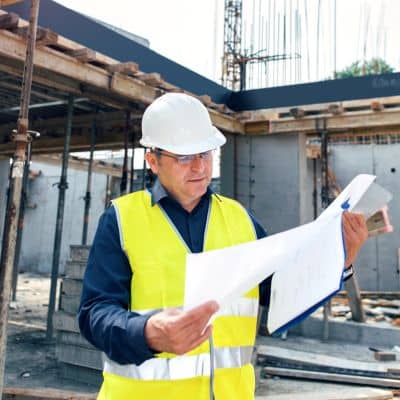
Effective construction management starts before the first lift. It does not wait for problems to appear. Instead, it builds protection into the process.
First, it defines responsibility clearly. Every high-risk activity has a lead reviewer. Everyone knows who approves what.
Next, it forces communication. Engineers, contractors, and inspectors share information early. When conditions change, plans update.
Then, it requires verification. Independent reviews catch errors teams miss. Fresh eyes see risks others overlook.
Finally, it documents decisions. If questions arise later, records show why choices were made. That clarity matters when projects face scrutiny.
What prospective clients should watch for
If you plan a major project, you do not need technical expertise to spot good construction management. You just need to ask the right questions.
Ask who oversees safety for critical operations. Ask how risks get reviewed before work starts. Ask whether independent engineering checks exist.
Also ask how issues get reported. If crews raise concerns, do managers listen? Strong systems encourage early warnings instead of silence.
These questions help clients avoid problems before they appear.
Construction management is not an extra cost
Some owners see construction management as an add-on. They worry it will slow progress or increase fees. In reality, it often saves money.
When teams identify risks early, fixes cost less. When schedules stay realistic, crews work more efficiently. When documentation stays clear, disputes resolve faster.
Most importantly, accidents avoided never become expenses. Strong oversight pays for itself by preventing failure.
Global lessons, local responsibility
Global crane failures remind us that infrastructure work carries serious responsibility. Technology improves every year, yet human systems still matter most.
Construction management connects plans to reality. It turns drawings into safe outcomes. Without it, even strong designs can fail.
For clients, the lesson is simple. Do not wait for a warning sign. Choose teams that value oversight, communication, and accountability from day one.
When construction management works as it should, cranes stay upright, projects move forward, and headlines stay quiet.