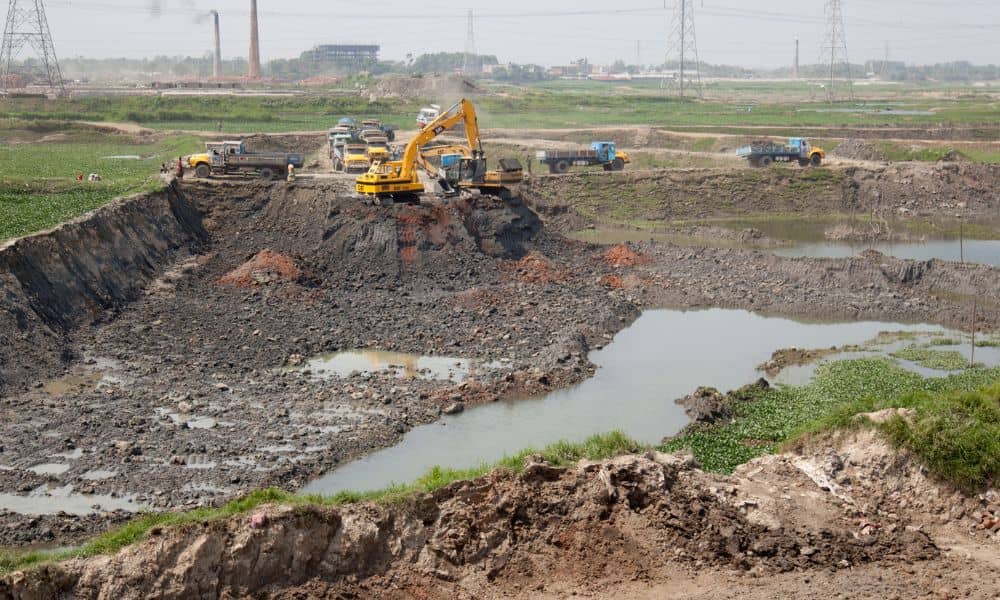
If you plan to build, you cannot skip drainage and erosion planning. Even a small store or housing project must control stormwater the right way. Otherwise, the city will reject your plans. Then your schedule slows down. Your contractor waits. Your loan deadlines get tight. That’s why strong civil engineering companies focus on more than design. They design for approval.
Weatherford keeps growing. Because of that growth, the city reviews stormwater plans very carefully. They want to prevent flooding, soil washout, and damage to nearby land. So if you want your project approved the first time, you need a team that knows how to prepare a complete package from the start.
Why Drainage and Erosion Plans Matter So Much in Weatherford
New stores, homes, and business parks continue to rise in Weatherford. As a result, the city expects detailed stormwater plans.
Many projects face delays for simple reasons. Sometimes detention numbers do not match the grading plan. Other times, erosion notes look copied and do not match the work on site. Even small mistakes can lead to review comments.
Then the plans go back for changes. That costs time and money.
Good civil engineering companies understand that drainage and erosion design affects the entire project. Therefore, they treat it as a key step, not something rushed at the end.
Step One: Start With Clear Drainage Calculations
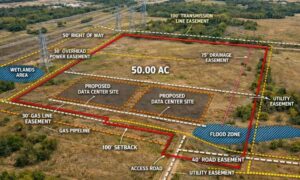
First, engineers map the drainage area. They show how water flows across the site.
Next, they calculate runoff. They look at soil, slope, and surfaces like pavement or grass. Then they decide how much stormwater the site must hold during heavy rain.
If the detention system cannot handle that water, the design fails. Because of that, strong engineers double-check their numbers before sending plans to the city.
Just as important, the drainage report must match the drawings. Reviewers compare both closely. If the elevations or flow paths do not match, they will catch it.
Reliable civil engineering companies make sure all documents agree before submission. That simple step prevents many delays.
Step Two: Design a Detention System That Works on Site
Detention design goes beyond math. It must work in real life.
For example, the outlet must control how fast water leaves the site. Emergency overflow paths must protect buildings and roads. Downstream areas must not receive too much water too fast.
In addition, engineers think about upkeep. Can crews reach the pond? Will sediment build up too fast? Will slopes stay firm after rain?
Civil engineering companies that plan for long-term use protect both the owner and the city.
Step Three: Match Erosion Control With Construction Phases
Erosion control causes many site problems. However, most issues come from poor timing.
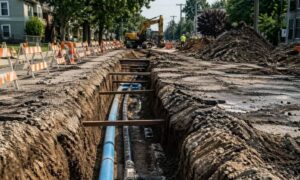
When crews clear land, silt fences must already be in place. When they install utilities, inlet protection must guard storm drains. When they shape slopes, they must stabilize them quickly.
If the erosion plan does not follow the work schedule, inspectors will notice. In some cases, they may stop work until the problem is fixed.
Strong civil engineering companies talk with contractors early. That way, the erosion plan matches the real steps on site.
The Five Most Common Reasons Plans Get Rejected
Most rejected plans fall into a few clear groups.
First, the drainage report and grading plan do not match. Second, detention numbers lack clear summaries. Third, downstream impacts are not explained well. Fourth, erosion notes look too general. Fifth, required checklist items are missing.
Because these issues happen often, smart civil engineering companies use internal reviews. Before sending plans to the city, another engineer checks everything. They compare numbers, drawings, and notes.
This extra step saves weeks of back-and-forth.
Designing for Approval, Not Just Design
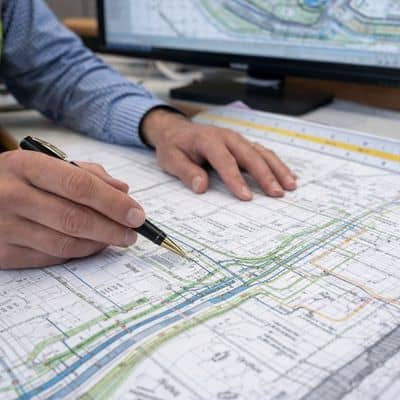
Some engineers only focus on calculations. However, permit-ready design also means clear presentation.
Reviewers prefer short summaries at the front of reports. They want clear labels and clean drawings. They expect numbers to stay the same across all sheets.
So experienced civil engineering companies organize plans with the reviewer in mind. They remove clutter. They highlight key data. They write short, clear notes.
Because of that, reviewers can move through the package faster.
Clear plans lead to faster answers.
Why This Matters to Developers and Property Owners
Every delay affects your budget. Contractors may need to reschedule. Equipment rentals may shift. Loan timelines may tighten.
In addition, erosion failures can create complaints from neighbors. Muddy water can leave your site and damage nearby land.
That is why drainage and erosion planning should begin early. When civil engineering companies join at the concept stage, they shape the grading around stormwater needs instead of fixing problems later.
Early planning protects time and money.
What to Ask Before Hiring Civil Engineering Companies in Weatherford
Before hiring a firm, ask simple questions:
Have you submitted drainage plans before? What review steps do you use before sending plans? How do you lower the number of review comments? Who checks the detention calculations? How do you coordinate erosion control with contractors?
These questions help you see whether the firm understands local review standards.
Experience makes a big difference.
Final Thoughts: Approval Starts Before Submission
Permit approval does not happen by chance. It starts with careful planning.
Civil engineering companies that succeed in Weatherford focus on alignment. They match calculations with drawings. They connect erosion plans to construction steps. They organize reports clearly.
Because of that, their projects move forward with fewer delays.
If you plan to build, bring engineers in early. A permit-ready drainage and erosion package protects your schedule, your budget, and your project.
In growing cities, timing matters. The right civil engineering companies help you stay on track.