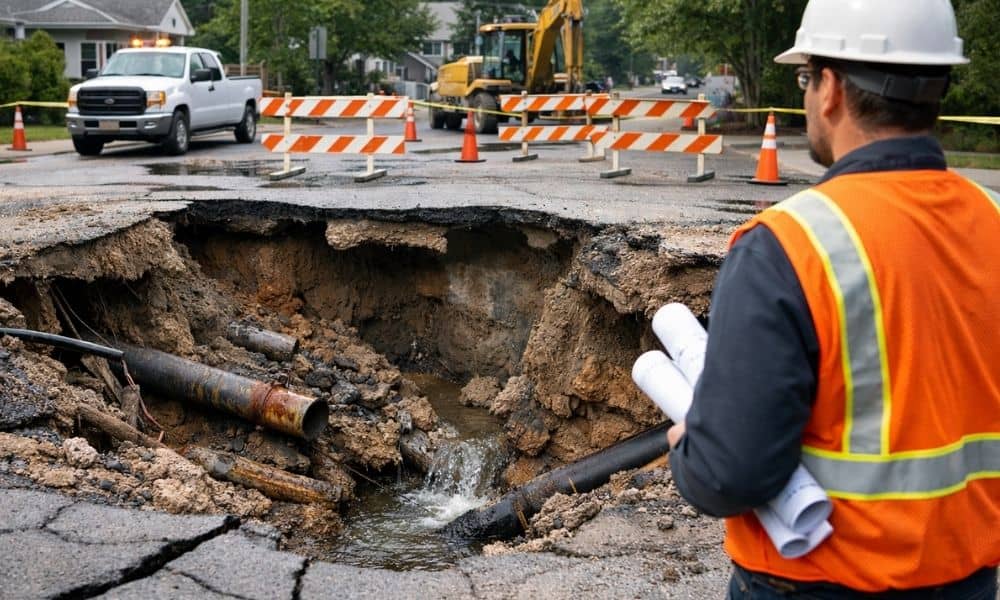
You’ve probably seen those shocking videos of roads in Texas suddenly collapsing. One moment, cars are stopped at a red light. Next, they’re dropping into a hole. Moments like this can be scary, but they also highlight a serious problem: hidden issues underground can quickly become dangerous above ground. That’s why having a civil engineer near me you can trust is so important.
Recent sinkholes and street collapses have popped up in several Texas cities. Drivers and homeowners are often caught off guard when streets give way. Residents sometimes notice water pooling or soil erosion before anything happens, but too often, these warning signs are ignored. A skilled civil engineer can identify risks before they turn into disasters.
What Causes Sinkholes and Stormwater Failures
Most sinkholes don’t just appear out of nowhere—they start quietly underground, where you can’t see what’s happening. Maybe a pipe starts leaking, or water slowly wears away the soil under a yard or street. At first, nothing looks wrong. But over time, the ground gets weaker until it finally gives way.
Older pipes and drains can make things worse. A lot of them have been there for decades, and small cracks can go unnoticed for years. Then heavy rain hits, and all that extra water starts moving soil faster than you’d expect. In some parts of Texas, the soil doesn’t drain well either, so water ends up collecting in ways people don’t always see coming.
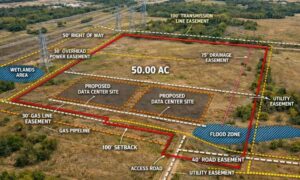
That’s why it helps to take a closer look early on. A thorough site and property assessment can catch these problem areas before they turn into something bigger, and give you a better sense of what’s really going on beneath your property.
Why Local Expertise Makes a Difference
You might wonder, “Why not just call any engineer or wait for the city to handle it?” Local expertise matters. A civil engineer near me knows the local soil, drainage patterns, and city codes. That knowledge allows them to spot issues others might miss.
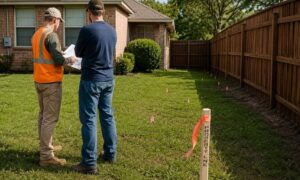
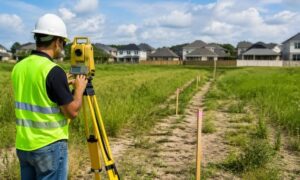
Civil engineers don’t just look at the surface. They use tests and tools to see what’s happening underground. They check how water flows across a property or neighborhood after a storm. Having someone nearby means they can visit the site quickly, see the problem firsthand, and offer solutions before it’s too late.
How Civil Engineers Protect Your Property
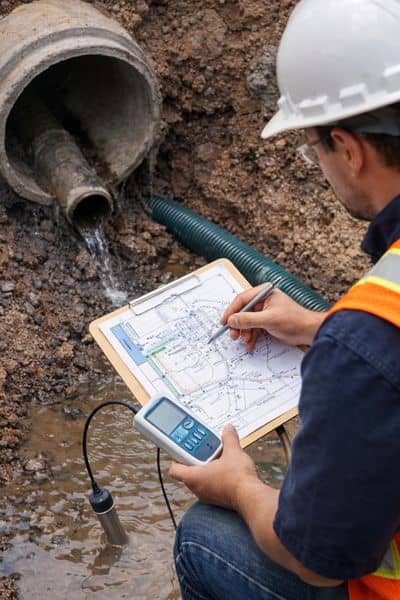
Civil engineers make sure land is safe, stable, and ready for use. They help protect your property value and keep people safe.
They inspect areas for signs of soil erosion, water leaks, or sinking ground. Catching problems early can prevent major collapses. They also plan how water moves across streets, sidewalks, and rooftops. Solutions like retention ponds, swales, and underground drains help keep water from pooling in one spot and weakening the ground.
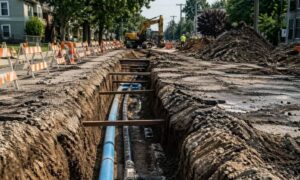
Upgrading old pipes or drains is another key step. Engineers recommend materials and layouts that reduce risk. When heavy rain or flooding is expected, they can suggest temporary fixes, like redirecting water or reinforcing weak spots, to protect your home or business.
Lessons for Homeowners and Developers
Even if dramatic sinkholes seem rare, the risk is real. Getting a professional assessment early can save thousands of dollars and a lot of stress. Problems like these can affect property values, neighborhood safety, and daily life.
If you notice water collecting in unusual spots, cracks in pavement, or ground sinking, it’s time to search for a civil engineer near me. A local expert can uncover hidden risks and recommend improvements before a hole appears under your driveway, yard, or street.
Why Acting Now Matters
Waiting for a collapse can be expensive and stressful. Emergency repairs are costly and disruptive. Roads may close, and utilities could be damaged. Even if your property isn’t directly affected, nearby failures can lower neighborhood property values.
A civil engineer helps turn unknown risks into manageable solutions. They plan upgrades, schedule repairs, and strengthen stormwater systems. In most cases, addressing issues early costs far less than fixing them after disaster strikes.
Final Thought
Texas sinkholes and street collapses are a powerful reminder that what’s underground matters just as much as what’s visible above. Water moves beneath our feet every day. Without proper planning, it can weaken the ground in unexpected ways.
By reaching out to a civil engineer near me today, you’re protecting your property, your family, and your peace of mind. Don’t wait for the ground to give way—safety starts with looking below the surface.