
Before any building is built, engineers must know how much weight it will hold and what materials will work best. In Weatherford TX, the soil, wind, and rain all affect how a structure should be designed. That’s why structural engineering services in Weatherford TX are essential for safe design planning.
Functional Demands on Modern Structures
Buildings today do more than provide space. They must handle daily use, weather, and long-term wear. Whether it’s a house, office, or public building, each one needs to stay safe and reliable.
Engineers study the loads a structure will carry. These include the building’s own weight, the people and things inside, and outside forces like wind and rain. Careful planning helps make sure the structure stays strong and does not fail over time.
Fundamentals of Load Analysis in Engineering Design
There are three main types of loads:
- Dead loads – the weight of the structure itself (walls, roof, floors)
- Live loads – the weight of people, furniture, or equipment
- Environmental loads – forces from wind, rain, snow, or earthquakes
Engineers use math and software to see how these forces move through a building. This helps them choose where to add support. A load path is the way force moves from the roof to the ground. Good load paths keep buildings stable and safe.
Regional Influences on Structural Load
In Weatherford TX, the local environment affects how buildings are designed. Some common factors include:
- Expanding soil that shifts when wet or dry
- Strong winds that press against walls and roofs
- Heavy rain that puts pressure on the foundation
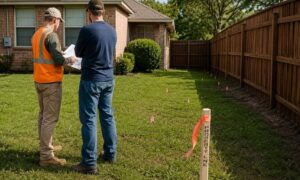
Engineers study each building site to see what problems might happen. This helps them make better choices during design and avoid issues in the future.
Strategic Material Selection in Structural Engineering
Choosing the right material is just as important as planning the load. Engineers look at:
- How much weight a material can hold
- How long it will last
- How much it costs and how often it needs repairs
Strategic material planning in structural engineering helps reduce costs, improve durability, and ensure each component performs well under Weatherford’s unique environmental conditions. In this region, materials like concrete, steel, and composites are often chosen for their strength and resilience.
Structural Optimization Techniques for Durability and Efficiency
Optimization means using the right amount of material—not too much, not too little. When materials match the load correctly, the building is both strong and efficient.
This process helps:
- Save money on materials
- Speed up construction
- Lower future repair needs
A well-designed building is safe without wasting resources.
Coordination Between Engineering Teams and Project Stakeholders
Engineering doesn’t happen alone. Structural engineers work with:
- Architects, to fit support systems into the design
- Builders, to make sure plans can be followed on-site
- City officials, to meet safety codes and rules
Early engineering consultation for new construction helps align everyone involved, from design to execution. This collaboration avoids mistakes, saves time, and keeps the project on track.
Practical Applications Across Development Types
Load planning and material choices are used in all kinds of projects, such as:
- Homes, which need solid foundations and frames
- Stores and offices, which hold more people and equipment
- Public buildings, like schools and fire stations, that serve many people for years
These methods also work in other cities with similar weather and soil conditions.
FAQs
1. What is load analysis in building design?
It’s the process of figuring out how much weight a structure needs to hold and how that weight moves through it.
2. Why do materials matter in structural engineering?
Materials affect how strong, safe, and long-lasting the building will be.
3. What challenges are common in Weatherford TX?
Soil that moves, heavy rain, and wind all impact building design.
4. What is structural optimization?
It’s using just the right amount of material for strength and cost savings.
5. Do small buildings need this kind of planning too?
Yes. Every structure, large or small, needs proper load and material planning.