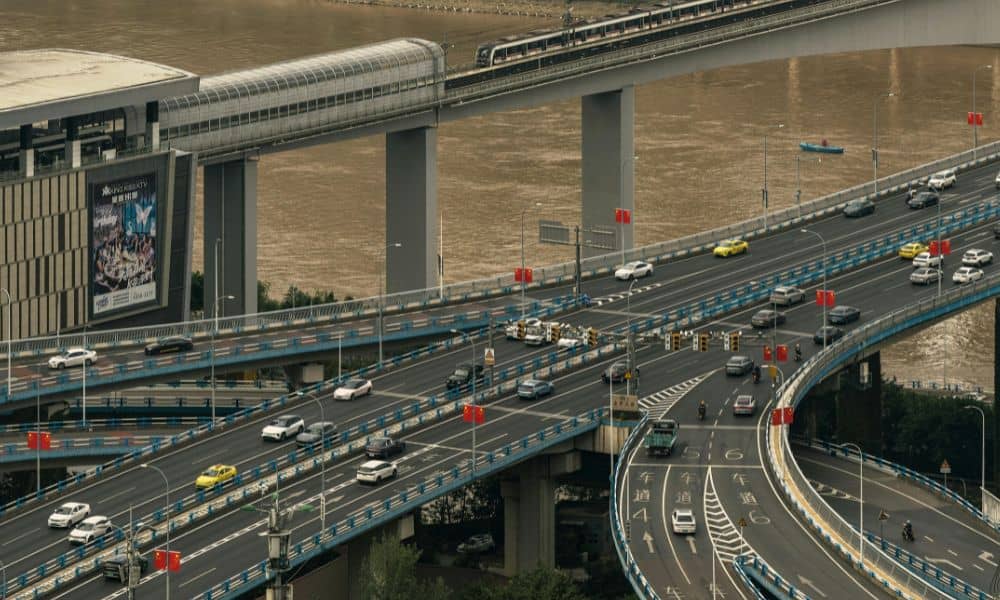
Dallas traffic has become more than a daily annoyance. It is now a real barrier to growth. Recent local reports show that several Dallas–Fort Worth corridors rank among the most congested in Texas. As a result, longer commutes, wasted fuel, and growing frustration affect residents and businesses every day. In this environment, a traffic study is no longer just a technical document. Instead, it has become a critical tool for shaping how Dallas grows, builds, and moves forward.
Over the past few years, North Texas has grown fast. New subdivisions, mixed-use developments, warehouses, and retail centers appear almost overnight. However, roads do not grow at the same speed. Because of that gap, traffic problems surface quickly and often unexpectedly.
Why Dallas Traffic Has Reached a Tipping Point
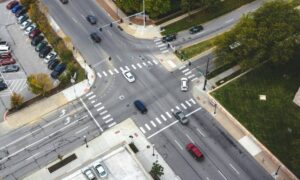
Dallas has always been a driving city. Still, today’s traffic feels different. Major corridors like US-75, I-635, I-35E, and SH-121 struggle during peak hours. Even short trips can take twice as long as expected. Meanwhile, delivery delays and rising fuel costs hurt businesses across the region.
This congestion did not happen by accident. Instead, it reflects years of rapid growth combined with limited roadway upgrades. As more people move to Dallas, every new development adds pressure to roads that already operate near capacity.
Because of this, cities and agencies now pay closer attention to how each project affects traffic. Public patience has worn thin. At the same time, decision-makers face increasing pressure to prevent congestion from getting worse.
What Traffic Congestion Really Tells Us
Heavy traffic sends a clear message. It shows that transportation systems no longer match land use patterns. When offices, apartments, and retail centers open without proper planning, nearby roads feel the impact right away.
Traffic congestion also reveals future problems. If an intersection fails today, it will fail faster tomorrow once new projects open. That is why cities cannot rely on guesswork. They need solid data to understand what will happen next.
This is where a traffic study plays a key role. It turns frustration into facts. It replaces opinions with numbers. Most importantly, it allows planners and engineers to look ahead instead of reacting too late.
What a Traffic Study Actually Does

Many people hear the term but do not fully understand it. A traffic study examines how vehicles move through an area today and how they will move in the future. It focuses on peak hours, not quiet moments.
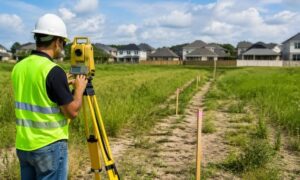
First, engineers collect traffic counts. These counts measure how many vehicles use each road and intersection. Next, they analyze delays, queues, and safety conditions. After that, they estimate how much traffic a new development will add.
Finally, the study tests whether nearby roads can handle that added traffic. If not, it recommends improvements. These may include turn lanes, signal changes, access adjustments, or roadway widening.
Because cities and TxDOT rely on these findings, a traffic study often determines whether a project moves forward or stalls.
How Traffic Studies Shape Development Decisions
In Dallas, traffic studies influence many approvals. City staff review them during zoning, site plan, and plat applications. Without one, many projects cannot move forward.
For developers, this matters greatly. A clear traffic study can support a project and reduce objections. On the other hand, a weak or rushed study can raise red flags and cause delays.
Traffic studies also affect project design. For example, they may limit driveway locations or require shared access. They may also trigger off-site improvements that developers must fund.
Although these requirements may seem frustrating, they protect long-term mobility. They also help projects gain approval faster when done correctly.
The Cost of Ignoring Traffic Impacts
Ignoring traffic impacts rarely saves time or money. Instead, it often does the opposite. When congestion issues surface late, projects face redesigns and added costs.
For example, cities may require new turn lanes after plans are complete. They may also delay permits until traffic concerns are resolved. In some cases, public opposition grows when neighbors fear worsening congestion.
Moreover, traffic problems can affect a development’s success. Customers avoid sites that feel hard to reach. Employees dislike long commutes. Over time, poor access hurts property value.
Because of these risks, addressing traffic early makes sense. A traffic study helps identify problems before they become expensive surprises.
How Civil Engineers Help Solve Traffic Challenges
Civil engineers do more than analyze numbers. They help cities and developers find practical solutions. Through traffic studies, they balance growth with mobility.
Engineers understand local standards and agency expectations. They coordinate with city staff and TxDOT to ensure studies meet current requirements. They also recommend improvements that fit within budgets and timelines.
More importantly, engineers look beyond one project. They consider how each development fits into the bigger transportation network. This approach helps Dallas grow in a smarter, more sustainable way.
As traffic concerns rise, this role becomes even more important. Cities need partners who understand both engineering and real-world impacts.
Why Traffic Studies Matter More Than Ever Right Now
Recent congestion news shows that Dallas stands at a crossroads. Growth continues, yet road capacity struggles to keep up. Because of this, cities apply stricter review standards.
At the same time, public attention on traffic has increased. Residents expect leaders to act responsibly. As a result, data-driven decisions carry more weight than ever.
In this climate, traffic studies are not optional. They guide infrastructure planning and protect communities from gridlock. They also help projects earn trust and approval.
Planning Growth That Works for Dallas
Traffic congestion may dominate headlines, but it does not have to define Dallas’s future. With proper planning, growth and mobility can coexist.
A traffic study gives decision-makers the insight they need to plan wisely. It helps developers build projects that function well. It helps cities manage growth responsibly. Most of all, it helps people move through Dallas with less stress and more confidence.
As Dallas continues to expand, understanding traffic impacts early will make all the difference. Smart planning today prevents bigger problems tomorrow.