McKinney, Texas is growing fast. New homes, roads, and public buildings are appearing every year. Recently, the city announced plans for a new public safety campus to support fire and emergency services. Most people notice the building size or location. However, this project shows something more important. It shows how the role of the construction engineer has changed.
This project is not just about one city facility. It reflects a bigger change happening across Texas. Construction engineers are no longer working quietly in the background. Today, they help guide projects from the very beginning to the final build.
Why This Project Matters Today
Public safety buildings always get attention. They use public funds, serve the whole community, and must last for many years. Because of this, every decision matters. When delays or design issues happen, people notice right away.
Projects like McKinney’s public safety campus place pressure on everyone involved. Much of that pressure lands on the construction engineer. Architects focus on how the building looks. Contractors focus on how it gets built. The construction engineer connects all parts of the project.
This situation is not limited to public buildings. Private developers now face many of the same challenges. Rules are stricter. Budgets are tighter. Timelines matter more than ever. Because of that, the lessons from this project apply to many types of construction work in McKinney.
How People Used to See a Construction Engineer
In the past, many people thought a construction engineer only handled technical tasks. Their job seemed limited to drawings, numbers, and site visits. Often, they were called in after a problem already existed.
That view is outdated.
Today, construction engineers are involved much earlier. They help spot risks before construction starts. They review plans to make sure they work in real conditions. They also help avoid conflicts that could slow the project later.
As projects grow larger and more complex, early involvement becomes more important. Mistakes cost more in fast-growing cities like McKinney. Because of this, the role of the construction engineer has expanded.
What Modern Projects Need From a Construction Engineer
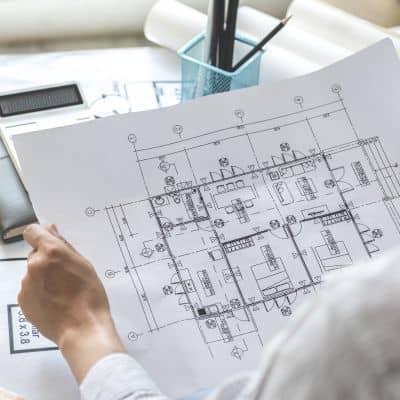
Large public projects clearly show how much responsibility construction engineers now carry. These projects involve many teams, and each decision affects the rest.
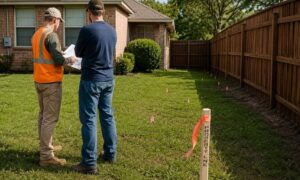
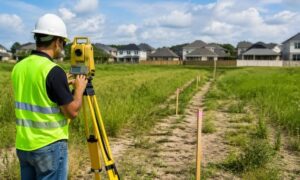
First, there is coordination. Construction engineers work with architects, surveyors, inspectors, and contractors. They help make sure the plans match the site and local rules. Without this coordination, even good designs can fail during construction.
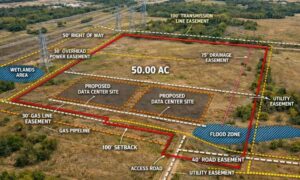
Next, there is risk planning. Construction engineers look at soil conditions, drainage, utilities, and access. If these issues appear late, they often cause delays and added costs. Finding them early helps keep the project on track.
In addition, construction engineers help solve problems during construction. Conditions often change once work begins. When that happens, engineers guide teams toward practical solutions. This role becomes even more important on public projects where schedules and budgets are closely watched.
Why This Change Matters to Clients
For clients, this shift changes what to expect from a construction engineer. The role now goes beyond technical work. It focuses on protecting the entire project.
For developers, a strong construction engineer helps reduce surprises. Fewer surprises mean fewer cost increases and delays. This helps protect the project budget.
For cities and public agencies, construction engineers provide oversight. They help ensure public money is spent wisely. They also help make sure buildings work as planned.
For commercial property owners, the benefits continue after construction ends. Well-engineered buildings often cost less to maintain. They also perform better over time.
Because of this, choosing the right construction engineer is now a key decision, not just a routine step.
What Private Projects Can Learn From Public Safety Buildings
Public safety campuses are complex. Still, many of their challenges appear on private projects as well. Zoning rules, site limits, and coordination issues affect nearly every development in McKinney.
Public projects succeed when construction engineers stay involved throughout the process. Private projects benefit from the same approach. Early engineering input often leads to smoother permits, clearer budgets, and fewer changes later.
Public projects also show the value of clear communication. Construction engineers often explain risks and options to people without technical backgrounds. Clear explanations build trust and help decisions move forward.
Private clients now expect this same level of guidance.
How the Role Will Keep Changing
The role of the construction engineer will continue to grow. Cities are expanding. Land is harder to develop. Rules are becoming more detailed. Because of this, engineering decisions will shape projects earlier than before.
Construction engineers will stay involved in early planning, site reviews, and cost planning. They will also take on more responsibility for drainage, long-term performance, and sustainability.
In growing cities like McKinney, these skills help communities grow responsibly. They also help clients avoid mistakes that slow projects down and increase costs.
Final Thoughts
McKinney’s new public safety campus is more than a city project. It shows how construction has changed. The construction engineer no longer steps in only after problems appear. Today, they help prevent those problems from happening in the first place.
For property owners, developers, and public agencies, this change matters. Projects run smoother when engineering decisions happen early and with real experience behind them.
As McKinney continues to grow, construction engineers will play a major role in shaping safe, efficient, and long-lasting projects. Choosing the right one can make the difference between steady progress and costly delays.