
Before you start building a new home, fence, or garage, one important question often comes up: Do you need a land survey before building? The short answer is yes—especially if you want to avoid costly mistakes, neighbor disputes, or permit problems. A land survey helps you understand your exact property lines, terrain, and any legal issues tied to your land.
In this guide, we’ll walk you through why a land survey matters, when to get one, and what happens if you don’t.
What Is a Land Survey and Why Does It Matter Before Building?
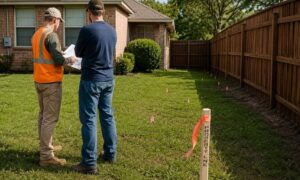
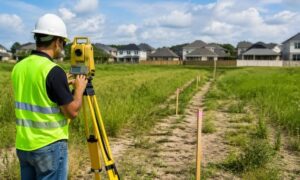
A land survey is a detailed measurement of your property. It shows the exact size, shape, and legal boundaries of your land. Surveyors use special equipment to collect accurate data, then create maps and documents that help you and others understand what can legally be built.
Why it matters:
- Helps avoid building over property lines
- Supports permit approvals
- Ensures your home or structure fits with local rules and zoning
- Prevents expensive construction errors
Types of Surveys You Might Need Before Construction
Different building projects may require different types of land surveys. Here are the most common:
- Boundary Survey – Shows the legal borders of your lot and identifies any existing encroachments or issues.
- Topographic Survey – Maps land elevations and features like hills, drainage, trees, and structures—often used in design and engineering.
- Construction Staking (or House Stakeout) – Lays out the exact location of your planned structure so the builder knows where to dig and build.
- ALTA Survey – Needed for more complex or lender-financed projects; it combines boundary and title info.
Common Building Projects That Require a Survey
You’ll likely need a land survey before starting these:
- New home construction
- Home additions (extra rooms or second stories)
- Garages, carports, or detached buildings
- Fences, decks, or patios near your property line
- Sheds or tiny homes (especially permanent ones)
Benefits of Getting a Land Survey Before Building
Getting a land survey before building offers several clear benefits:
- Avoids boundary disputes with neighbors
- Confirms your design fits the lot legally and safely
- Helps architects and engineers plan based on slope and drainage
- Simplifies permit approvals by showing clear property data
- Protects you legally in case issues come up later
What Happens If You Build Without a Land Survey?
Skipping a survey can lead to serious problems:
- Building on someone else’s property (even by a few inches)
- Legal disputes that force you to tear down part of your structure
- Permit delays if city inspectors ask for proof of boundary or zoning
- Fines for violating HOA or city rules
- Decreased property value due to errors or code issues
How Much Does a Land Survey Cost for a Home Build?
Survey costs vary depending on location, property size, and terrain.
| Type of Survey | Estimated Cost Range |
| Boundary Survey | $500 – $2,000 |
| Topographic Survey | $1,000 – $3,500 |
| Construction Staking | $500 – $1,500 |
| ALTA Survey (if needed) | $2,500 – $5,000+ |
Getting a survey may seem like an extra cost, but it’s much cheaper than fixing a building mistake after the fact.
Who Performs the Survey and What Should You Look For?
Only a licensed land surveyor should perform your survey. If you’re building in the Lone Star State, it’s especially important to work with a trusted licensed land surveyor in Texas who understands regional codes, soil conditions, and permit requirements.
Here’s what to check before hiring:
- State license and professional credentials
- Experience with residential projects
- Familiarity with local zoning and building codes
- Clear reports and communication with you and your builder
It’s a good idea to ask for references or samples before committing.
When Should You Order a Land Survey in the Building Timeline?
Timing matters! Here’s when to get it done:
- After you buy the land, but before finalizing building plans
- Before applying for permits
- Before construction starts
- During construction, for house staking or final layout
The sooner you get the survey, the smoother your building process will go.
Do You Need a New Survey If There’s an Old One?
You may not need a new survey if:
- The old one is less than a few years old
- No changes have been made to the land or nearby properties
- It’s still accepted by your local building department or title company
But you’ll likely need an update if:
- You’re building something new
- The lot has been altered
- There are new rules or zoning changes
Always check with your builder, architect, or surveyor.
Conclusion: Survey First, Build with Confidence
Getting a land survey before building is one of the smartest moves you can make. It protects your project, your property rights, and your peace of mind. Whether you’re adding a fence or building a new home, a clear understanding of your land is key to a smooth, legal, and successful construction process.
FAQs
Q1: Is a land survey legally required before building?
In most cities and counties, yes—especially for new builds, additions, or structures near property lines.
Q2: Can I build a fence without a survey?
Technically yes, but it’s risky. A survey ensures you don’t cross into your neighbor’s property.
Q3: How long does a survey take?
It can take anywhere from 3 days to 2 weeks, depending on the survey type and property complexity.
Q4: Does the builder provide the survey?
Not usually. The homeowner typically orders it, unless agreed otherwise in the contract.
Q5: Can I reuse the same survey for future projects?
You might, but only if nothing on the land has changed. Ask your surveyor to confirm.