
When news broke about a private dam failure, many homeowners across the state took notice. The Carter Lake dam developed a small 8-inch hole that quickly turned into a serious emergency. Evacuations were ordered, and engineers rushed to lower water levels before the earthen embankment gave way. It was a scary moment — not just for that community, but for anyone living near a lake, pond, or detention basin. The truth is, problems like this don’t always start with big cracks or flooding. Often, they begin as tiny leaks that go unseen for months. That’s why a dam inspection is one of the most important services an HOA or property manager can schedule.
A Wake-Up Call for North Texas Communities
In Frisco and nearby cities like Prosper and McKinney, many neighborhoods were built with detention ponds and small lakes to handle stormwater runoff. These ponds often double as beautiful amenities — but they also act as small dams. When not inspected, these structures can silently weaken from erosion, animal burrows, or shifting soil.
Unlike public reservoirs, most HOA-owned ponds are considered private dams, meaning the homeowners’ association is responsible for keeping them safe. The Texas Commission on Environmental Quality (TCEQ) requires regular inspections for certain classifications, but smaller dams can still fail if ignored. The Carter Lake scare proved that size doesn’t guarantee safety.
Why Dam Inspections Matter
A professional dam inspection helps catch problems before they become disasters. Civil engineers look for early warning signs — things like small leaks at the base of the dam, wet areas that don’t dry out, or tiny holes created by muskrats and beavers. They also check the spillway capacity, making sure the dam can safely pass stormwater during heavy rains.
In Frisco, where rainstorms can dump inches of water in an hour, that kind of check is critical. A clogged spillway or settled embankment could push water toward homes instead of away from them. An annual inspection gives HOAs peace of mind and proof that their pond meets safety standards if anything goes wrong later.
What Usually Goes Wrong
Most dam problems don’t appear overnight. They grow slowly from small maintenance issues that no one notices. Vegetation overgrowth hides erosion. Soil settles unevenly after a dry summer. Drain pipes rust or clog. Animals burrow through the embankment, creating tiny tunnels that let water seep inside.
Then one heavy storm arrives, pressure builds, and the dam starts leaking. That’s exactly what likely happened at Carter Lake — a combination of time, burrows, and rainfall caused the breach.
Regular dam inspections stop this chain reaction. By catching erosion, sinkholes, or internal leaks early, an engineer can recommend simple fixes that cost hundreds, not tens of thousands.
The HOA’s Hidden Liability
For most HOAs in Frisco, the pond behind the clubhouse feels like a decoration — until something goes wrong. But under Texas law, if a private dam fails, the property owner or HOA can be held responsible for damage downstream. That means flooding nearby homes, roads, or even parks could become a legal nightmare.
Insurance companies may deny claims if there’s no record of a recent inspection or maintenance plan. So beyond safety, an inspection is also a layer of legal protection. It shows that the HOA acted responsibly and followed engineering best practices.
What Happens During a Dam Inspection

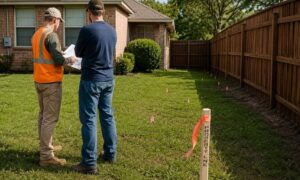
When a civil engineer visits a site, the process isn’t just a quick walkaround. It’s a structured evaluation that includes:
- Walking the embankment and checking for erosion or settlement.
- Inspecting the outlet structure, drainpipes, and spillways.
- Looking for seeps, cracks, or animal burrows.
- Reviewing past rainfall and pond level data.
- Confirming that vegetation is trimmed and slopes are stable.
- Recommending repairs or maintenance if problems appear.
Most engineers then deliver a short report with photos and clear next steps. Think of it as a “health check” for your pond — something you do regularly to avoid emergencies.
What Can Learn from Carter Lake
The Carter Lake event may have happened several hours away, but it teaches a powerful lesson for North Texas HOAs and developers:
- Private water features are engineered systems, not just landscaping.
- Every embankment has a lifespan and needs monitoring.
- Emergency action plans should list who to call, how to drain water safely, and what to do if the dam begins leaking.
Communities that plan ahead save time, money, and panic when severe weather hits. And with the ongoing development boom, engineers are urging property managers to include dam and pond inspections in their yearly maintenance budget.
How to Stay Ahead
You don’t need to wait for cracks to show. Schedule a professional inspection every one to two years, especially before the rainy season. After major storms, walk the area and photograph any changes — standing water, slumped soil, or clogged pipes.
If you notice new wet spots or small sinkholes, call your licensed civil engineer right away. Early repair is simple; emergency work is not. Many firms, including those serving Collin and Denton Counties, offer quick “Dam Health Checks” or 48-point inspection packages designed specifically for HOA ponds and small lakes.
Final Thoughts
The Carter Lake breach was a warning shot for every community that depends on a quiet, grassy embankment to hold back water. In Frisco, where neighborhoods continue to grow around creeks and ponds, a dam inspection isn’t optional — it’s preventive care for your property and peace of mind for your residents.
A little attention now can save thousands later, and more importantly, keep families safe. So before the next heavy rain hits, take a closer look at that pond behind your clubhouse. It might look calm, but underneath, it’s working harder than you think.