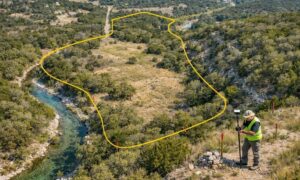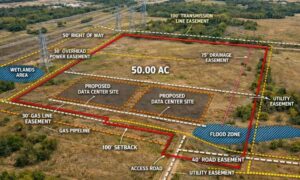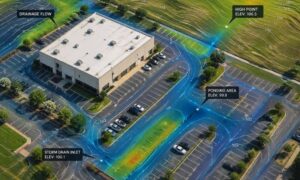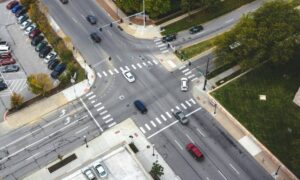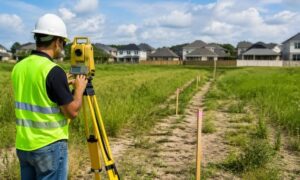
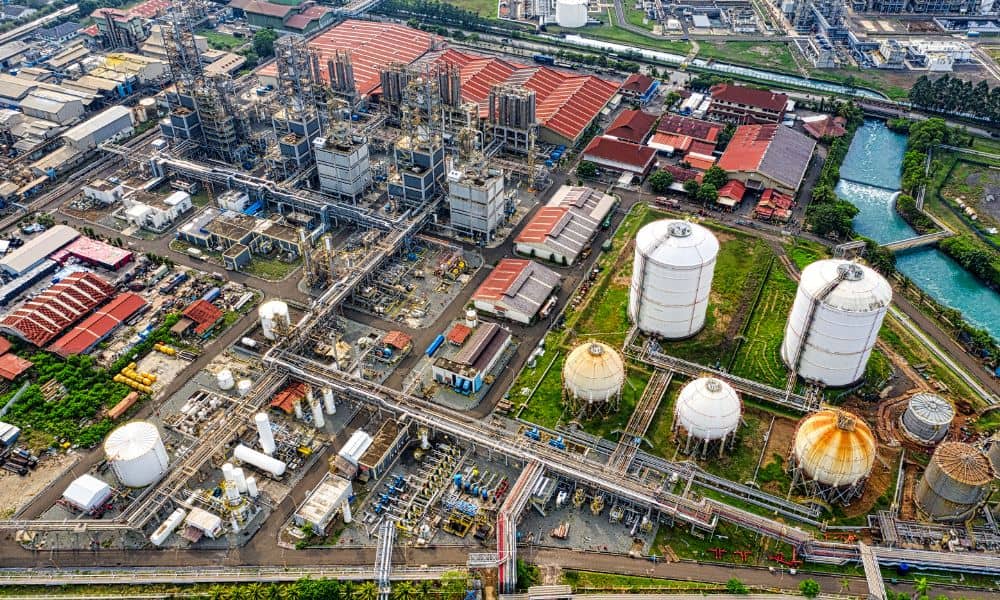
Drone surveying has already changed how land data gets collected in places like Midland. It gives oilfield operators fast maps, clear images, and accurate measurements from above. Now another big shift is happening. New AI reality-capture technology—highlighted by a recent Looq AI expansion—is pushing the industry into a new era. When drone surveying and AI-powered ground capture work together, oilfield sites become smarter, safer, and easier to manage.
AI Reality Capture: The New Tool Changing Everything
Looq AI recently announced the expansion of its global partner network. This means more surveyors can start using advanced ground-based AI capture tools. These tools create a detailed “digital twin” of a site. Instead of simple photos, they build a full 3D model using AI and accurate ground measurements.
This news matters because it brings strong, engineering-level ground capture to everyday field work. Before, only big engineering teams used tech like this. Now smaller survey companies in Texas can use it too.
The idea is simple: drones show the big picture from above, and AI ground capture shows what’s happening underneath. When you combine the two, you get a clear and complete view of an oilfield site.
Why Drone-Only Surveys Sometimes Fall Short in Oilfields
Drone surveying works well for large, open land. It flies over a site, gathers images, and makes a map or model fast. But oilfield areas are not simple. They include tall tanks, pipe racks, pumps, and crowded platforms that block the drone camera. Some places sit under catwalks or structures where drones cannot see. Strong West Texas winds or site safety rules can also limit drone flights.
Because of these limits, drone-only maps sometimes miss key details. When that happens, crews may need to return to the site. That slows projects. In oilfield work, wasted time also means wasted money.
AI ground capture helps fix these problems.
How AI Ground Capture Works With Drone Surveying
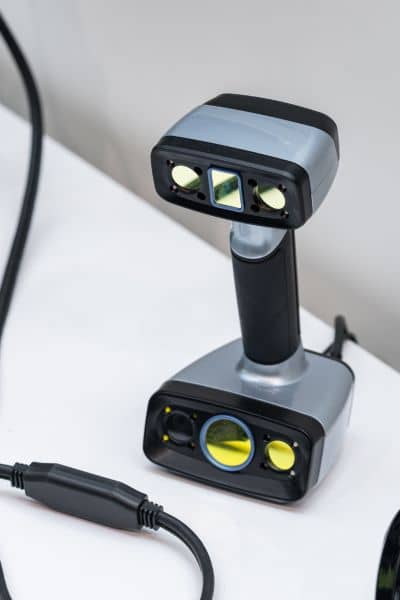
AI reality-capture devices are small tools surveyors carry as they walk around the site. They collect ground-level data using sensors, detailed images, and smart AI stitching. The result is a rich digital twin of equipment, structures, and terrain.
When this data merges with drone surveying, everything comes together in one clean model. Drone data gives a wide view. AI ground capture fills in the areas drones miss. This raises accuracy because engineers can now see exact details of pipelines, tanks, spacing, and walkways. If only one part of the site changes, ground capture updates it fast without another full drone flight. The combined method also keeps crews safer, since they spend less time near heavy equipment.
Why This Matters for Oilfield Operators
Midland’s oilfields move fast and cover large, remote, and complex land. Even a small mistake in a map or plan can delay a project, raise costs, or cause safety problems. With AI ground capture becoming more common, operators in West Texas can now get the best data possible.
Drone surveying maps a full well pad. AI ground capture adds clear details like tanks, heater treaters, flare stacks, and spacing needed for expansions. For pipeline corridors, drones show the surface while AI shows crossings and tie-in points. As-built records also improve because hybrid capture creates a full 3D version of the site. This helps with planning, safety, and long-term work. Earthwork tracking becomes more accurate because hybrid models show better cut-and-fill results. Teams far from Midland can also view the digital twin as if they were standing on site.
What Clients Should Ask Before Hiring a Drone Surveyor
Clients should ask if a survey team uses both drone surveying and AI ground capture. This helps make sure the site is fully covered. Clients should also ask if they will receive a full digital twin, and how the surveyor handles areas drones cannot reach. It also helps to ask if the data supports engineering-level decisions. Another smart question is how the team records areas under equipment or structures.
Limits You Should Know About
AI and drone tools still need oversight from a licensed surveyor. Ground control points must be placed right, and all measurements must be checked. AI tools can misread shiny metal surfaces, so crews need extra reference points. Drone flights must also follow FAA rules and on-site safety policies. These limits help keep the final model safe, correct, and ready to use.
The Bottom Line:
The expansion of AI reality-capture tech marks a major shift in drone surveying. Instead of using only one tool, surveyors can now combine aerial and ground capture to build full, accurate models of oilfield sites.
For operators, this means faster planning, fewer delays, safer work zones, and better long-term records. If you’re planning a new site, updating an existing one, or fixing missing as-builts, this new hybrid method gives you the best data for modern oilfield work.