In Arlington, TX, where shifting clay soil is a known issue, homeowners often turn to structural engineering to protect their properties. These soil movements might not seem dramatic, but over time they can lead to foundation cracks, uneven floors, and serious structural concerns if left unchecked.
That’s why scheduling a foundation inspection isn’t just a precaution—it’s a smart step whether you’re remodeling, buying, or simply trying to avoid costly repairs.
Understanding Shifting Soil in Arlington, TX
Not all soil is created equal. In Arlington, much of the land is made up of expansive clay, a type of soil that soaks up water like a sponge—and then dries out, hardens, and contracts during dry spells.
This cycle of swelling and shrinking causes the ground under your home to move. Over time, that movement puts pressure on your foundation. You may not notice it right away, but eventually, the signs start to show.
And if you ignore it? You’re looking at bigger problems down the road.
How Structural Engineering Helps Identify Foundation Problems
Your house doesn’t need to fall apart before something’s wrong. Here are some common warning signs that your foundation might need attention:
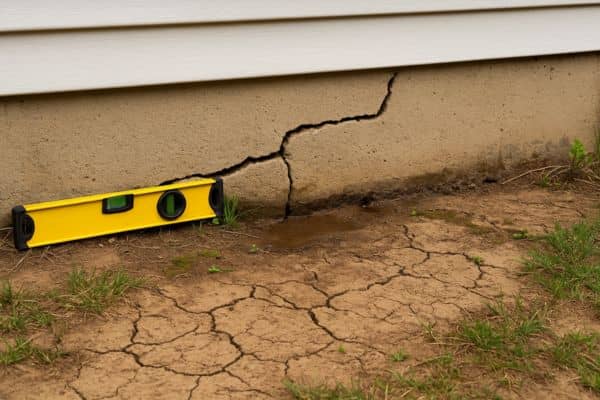
- Cracks in drywall, brick, or ceilings
- Doors or windows that stick or won’t close properly
- Uneven or sloping floors
- Gaps between walls and floors or ceilings
- Plumbing issues or unusual settling noises
Even if the symptoms seem minor, they could point to a much bigger issue underneath.
What Happens During a Professional Foundation Inspection?
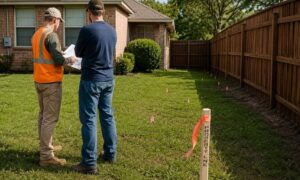
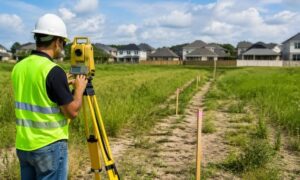
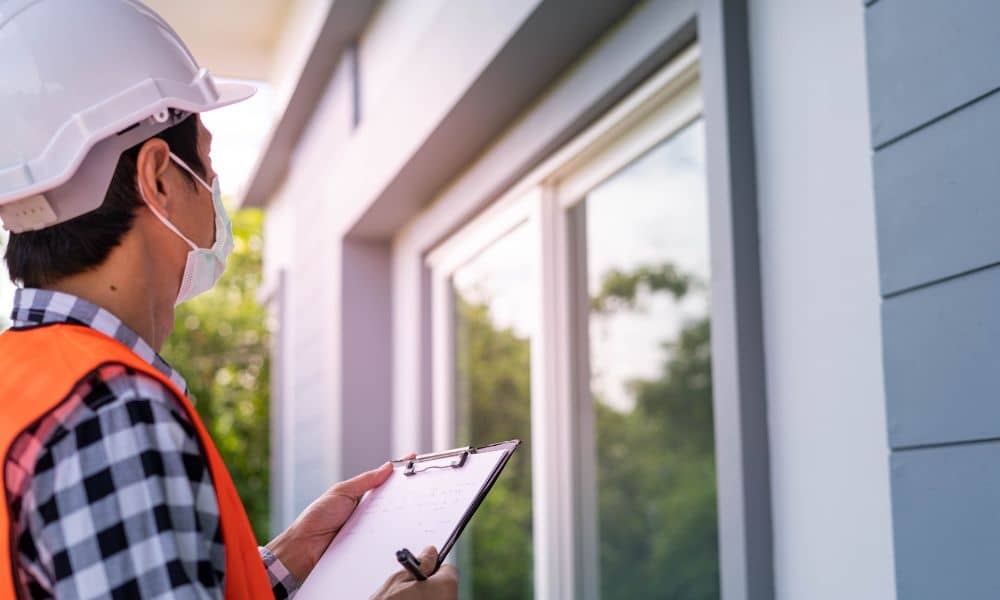
During a foundation inspection, a licensed structural engineer evaluates your home—inside and out—for signs of settlement, soil movement, or structural stress. These inspections are detailed and often include:
- Identifying visible cracks and shifts in walls, floors, or slabs
- Measuring elevation changes across flooring to detect uneven settling
- Assessing drainage flow and soil moisture around the foundation
- Inspecting structural components like beams, joists, and footings
- Recommending any needed repairs, reinforcements, or next steps
In some cases, additional soil testing may be recommended to better understand how the underlying ground is behaving—especially with Arlington’s expansive clay soils.
In Arlington, TX, foundation issues are so common that experienced local engineers can often spot early-stage problems before they become visible. That’s the value of working with a professional who understands the soil and structural risks unique to the region.
Why Foundation Issues Are Harder to Fix Later
Like most problems in a home, foundation damage only gets worse—and more expensive—if left alone. What starts as a hairline crack can turn into major structural damage if shifting soil keeps pushing against it.
By the time you’re dealing with sunken floors, damaged plumbing, or broken support beams, you’re facing a big bill and a long repair timeline. A simple inspection now could save you thousands later.
How Foundation Inspections Can Save You Money
A full inspection may seem like just another expense, but it’s a smart investment. Here’s why:
- Catch problems early and avoid major structural repairs
- Add value to your home before selling
- Speed up permitting or insurance processes
- Understand what’s really going on under your home
In many cases, a structural engineer’s report is all you need to satisfy a buyer, lender, or city official during a real estate transaction.
When You Need a Structural Engineer in Arlington
Not all foundation problems require a full design plan—but some absolutely do. Here are common situations when it’s time to bring in a licensed structural engineer:
- You’re remodeling or building an addition
- A contractor recommends reinforcement or underpinning
- Your home sits on a sloped lot or flood-prone soil
- You’re getting ready to sell, refinance, or insure your home
When in doubt, calling a local professional who specializes in structural engineering ensures your foundation—and your plans—are on solid ground.
What Homeowners Can Do Next
If you’re unsure about your home’s foundation, now is the time to learn more. Ask questions, observe changes, and seek out trusted resources. In regions with shifting soil like Arlington, awareness is your best tool for protecting your property.
FAQs About Foundation Inspections
1. Do I really need an inspection if I don’t see cracks?
Yes. Some problems start beneath the surface. A professional can detect early-stage issues that you can’t see yet.
2. How long does a foundation inspection take?
Most inspections take 1–2 hours, depending on the size of the home and any visible issues.
3. Who should do the inspection—a contractor or engineer?
Always hire a licensed structural engineer for an unbiased, expert evaluation. Contractors may push unnecessary repairs.
4. What do inspections cost in Arlington?
Prices vary, but a typical inspection ranges from $300 to $600. That’s far cheaper than a foundation repair.
5. Will I get a written report?
Yes. You’ll receive a full report outlining the findings, recommended next steps, and repair suggestions if needed.
6. Is this required for a home sale?
Sometimes. In competitive markets like Arlington, buyers often ask for one to ensure the home is structurally sound.